
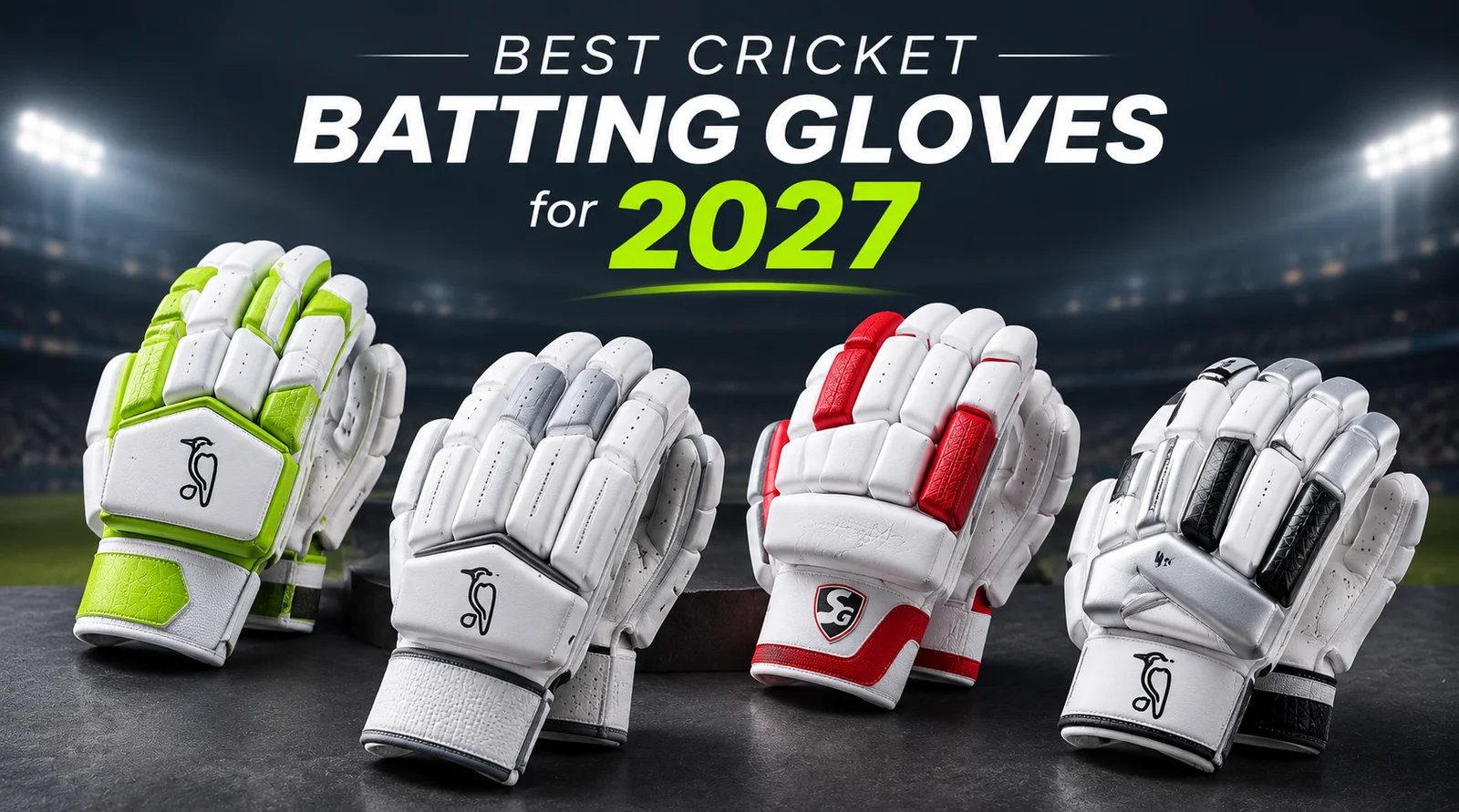

Editor's view: The best batting glove is the one that protects your hands without making you fight the glove to hold the bat. Prioritise palm feel, natural finger bend and correct fit before colour or branding.
A batsman can spend hours choosing the right willow, bat weight and handle grip, then put on batting gloves that make the fingers feel stiff. That is a poor trade-off. Gloves sit directly between the hands and the bat, so even small differences in palm texture, finger shape and sizing can change how confidently a player holds the handle.
For our best cricket batting gloves for 2027 guide, Khelmart has selected ten notable models across established and emerging cricket brands. This is a curated shopping shortlist, not a statistically verified ranking of 2027 sales. The aim is to help you understand what to look for, and which design approach may suit your batting.
Why proper batting gloves matter more than many players realise
Protection is the obvious reason to wear batting gloves. Fingers and thumbs are exposed to hard-ball impacts, and a glove's padding and protective inserts help manage that risk. But protection is only half the story. Batting involves repeatedly adjusting grip pressure: relaxed during setup, firmer at contact, and flexible through the follow-through. A glove should accommodate those changes.
1. Palm material: the connection between hand and bat
The palm is where the glove meets the handle. Leather palms are popular because they can provide a supple feel and useful grip, although the precise result depends on leather quality, surface finish, stitching and moisture. A thick or slippery palm can make a player squeeze the handle harder than necessary. A very soft palm may feel pleasant initially but should also be judged for wear resistance.
When comparing gloves, look at the palm's contact areas around the thumb, index finger and lower hand. Check for reinforced wear zones, seams that do not bunch up, and a secure hold on the actual bat grip you use. No palm material stays equally grippy in every wet or sweaty condition.
2. Pre-curved fingers: a small design detail with a big effect
Your fingers naturally bend around a cricket bat handle. A well-shaped pre-curved glove starts closer to that position, reducing the resistance you feel when closing your hand. This can make the grip feel less awkward, particularly during long practice sessions. It does not guarantee less injury or faster bat speed; it simply removes an avoidable fit problem.
Also examine how the finger rolls articulate. More segments can help movement, but segmentation alone does not prove that a glove is more flexible or more protective. Padding thickness, placement and the shape of each section matter just as much.
3. Protection must not compromise control
The lead hand, thumb and fingers need serious consideration against rising deliveries. A protective insert may add reassurance in exposed areas, but a stiff finger that cannot close properly is not an ideal solution. Look for a balance: padding that covers the important areas while allowing the hand to make a comfortable, complete grip.
Traditional shape versus modern glove design
SG is a useful starting point for players who prefer familiar, traditional finger-roll styling. Some SG models use pre-curved rolls and split-thumb construction, so “traditional” should not be mistaken for rigid. SS and SF are worth exploring for players interested in different segmented profiles and contemporary designs. Kookaburra deserves attention from fit-conscious players, while THRAX offers an alternative design direction for those looking for an all-round balance of hand movement and protection.
For more options within these design approaches, browse SG batting gloves, SS batting gloves, Kookaburra batting gloves and MRF batting gloves.
These are ways to approach each brand, not laboratory comparisons. Fit and flexibility must be judged model by model; one brand cannot honestly be declared the best-fitting for every hand.
To compare the full selection before narrowing down to a model, explore Khelmart’s cricket batting gloves collection.
Our 10 selected cricket batting gloves for 2027
| Glove | Why consider it | What to check before buying |
|---|---|---|
| Kookaburra Kahuna Pro Player | Fit-focused premium shortlist | Finger length and palm snugness |
| SG Test White | Traditional-style match glove | Finger-roll bend and thumb mobility |
| MRF Genius Prince | Alternative established-brand option | Palm feel and protective coverage |
| Gray-Nicolls GN9 International | International-brand comparison | Actual size chart and construction |
| SS Ton Player Edition | Modern player-edition option | Segment movement when gripping |
| DSC Pro Player | Player-oriented alternative | Thumb fit and padding layout |
| THRAX Flicker Players | All-round design candidate | Palm contact and flexibility |
| SG HP 33 Hardik Pandya Edition | Signature-style alternative | Model-specific sizing and materials |
| SF Nexzen | Contemporary design option | Finger articulation and protection |
| THRAX ST 1800 Red | Accessible THRAX shortlist option | Fit, grip and protection for your level |
1. Kookaburra Kahuna Pro Player Cricket Batting Gloves
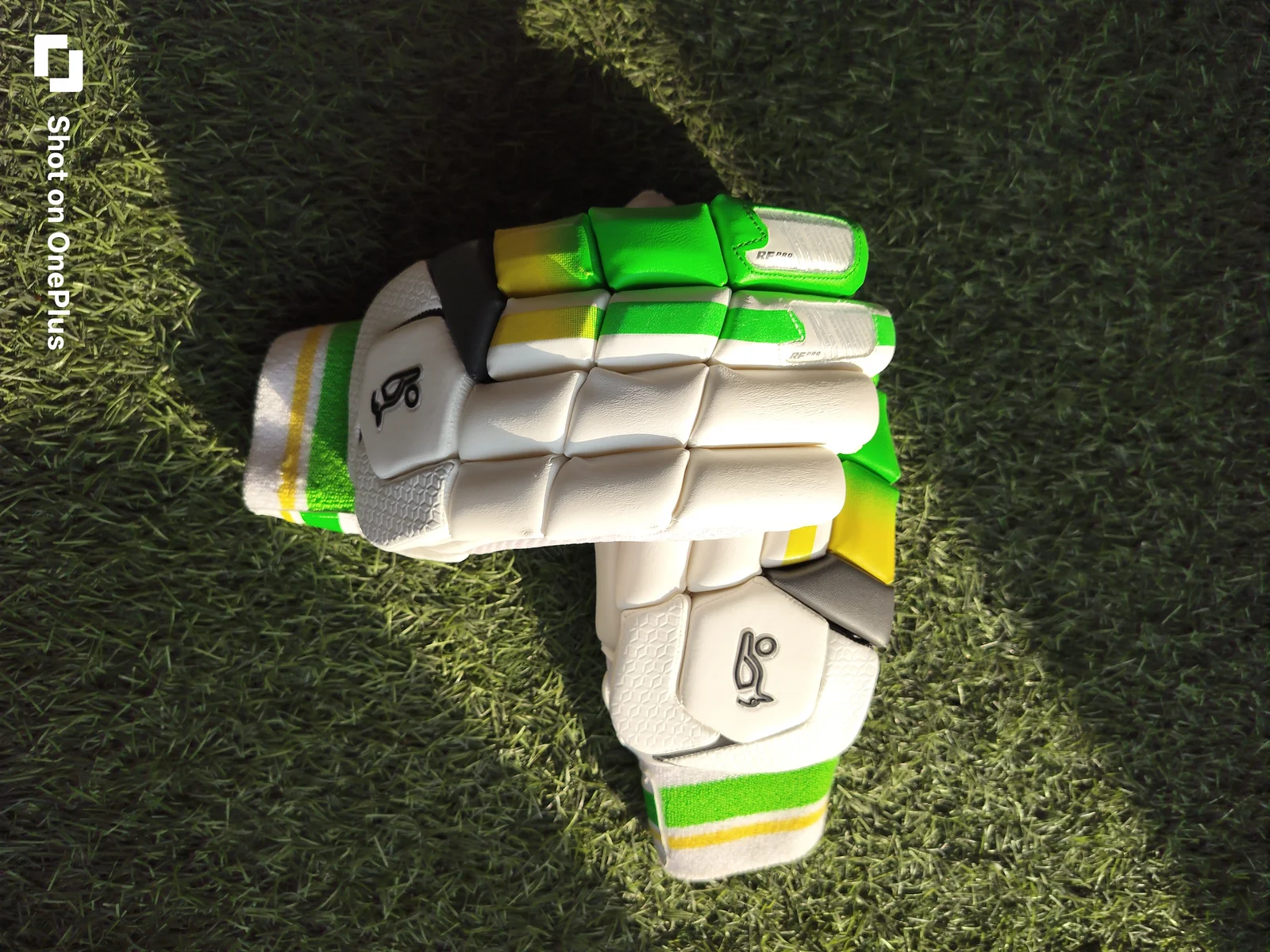
The Kahuna Pro Player belongs on a serious shortlist for players who care about how a glove wraps around the hand. Kookaburra is a sensible brand to compare when fitting is your main concern. Rather than assuming a premium glove will automatically fit better, check whether the fingertips reach the end comfortably and whether the palm stays smooth around the handle.
Best suited to: Players prioritising a secure, natural hand feel.
2. SG Test White Cricket Batting Gloves
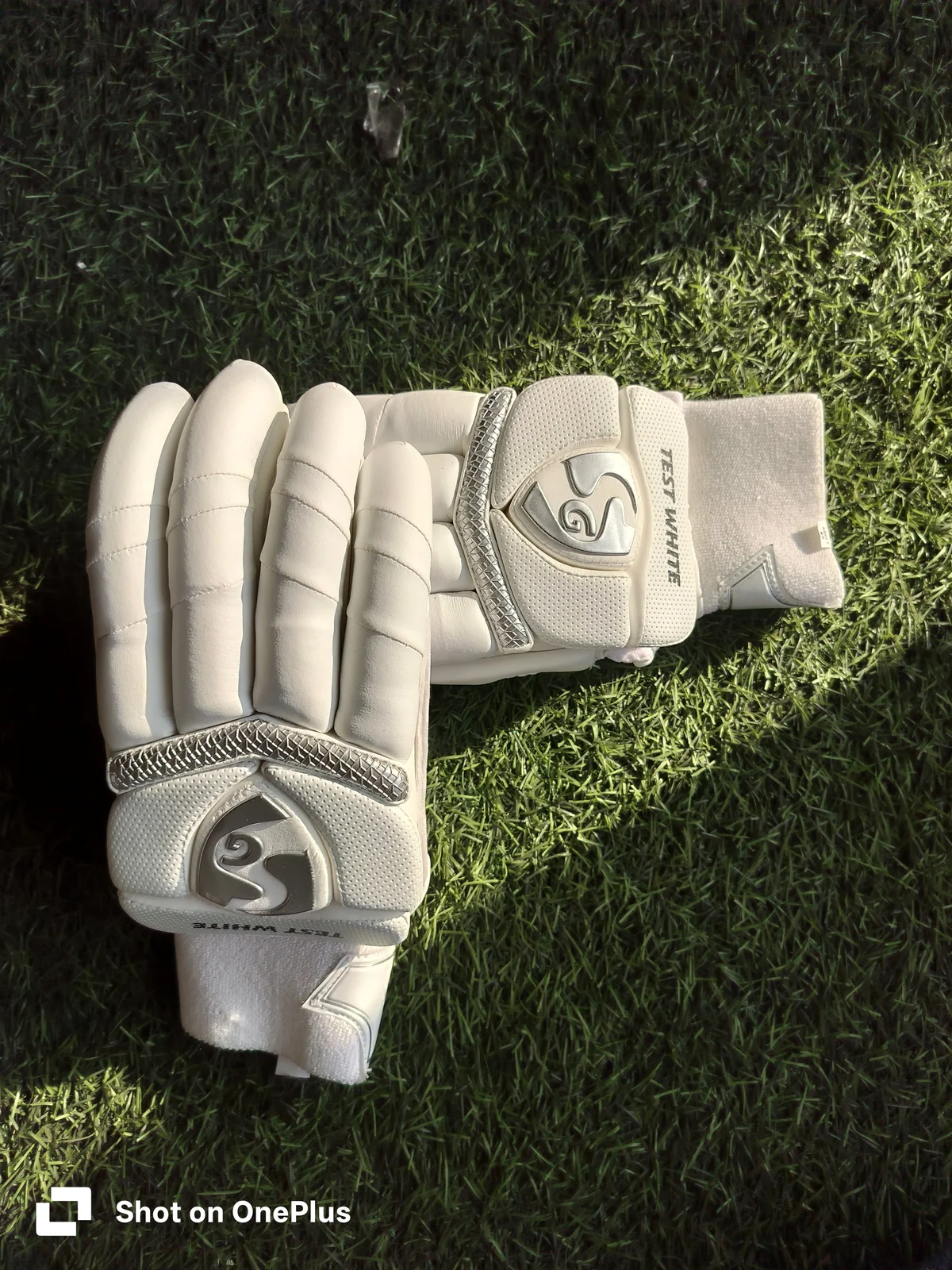
SG Test White represents the traditional-style choice in this selection. For players familiar with conventional finger rolls, that familiar construction can be reassuring. The real test is whether the rolls bend with the fingers and whether the glove closes without forcing your grip open.
Best suited to: Players who prefer a classic cricket-glove feel.
3. MRF Genius Prince Cricket Batting Gloves
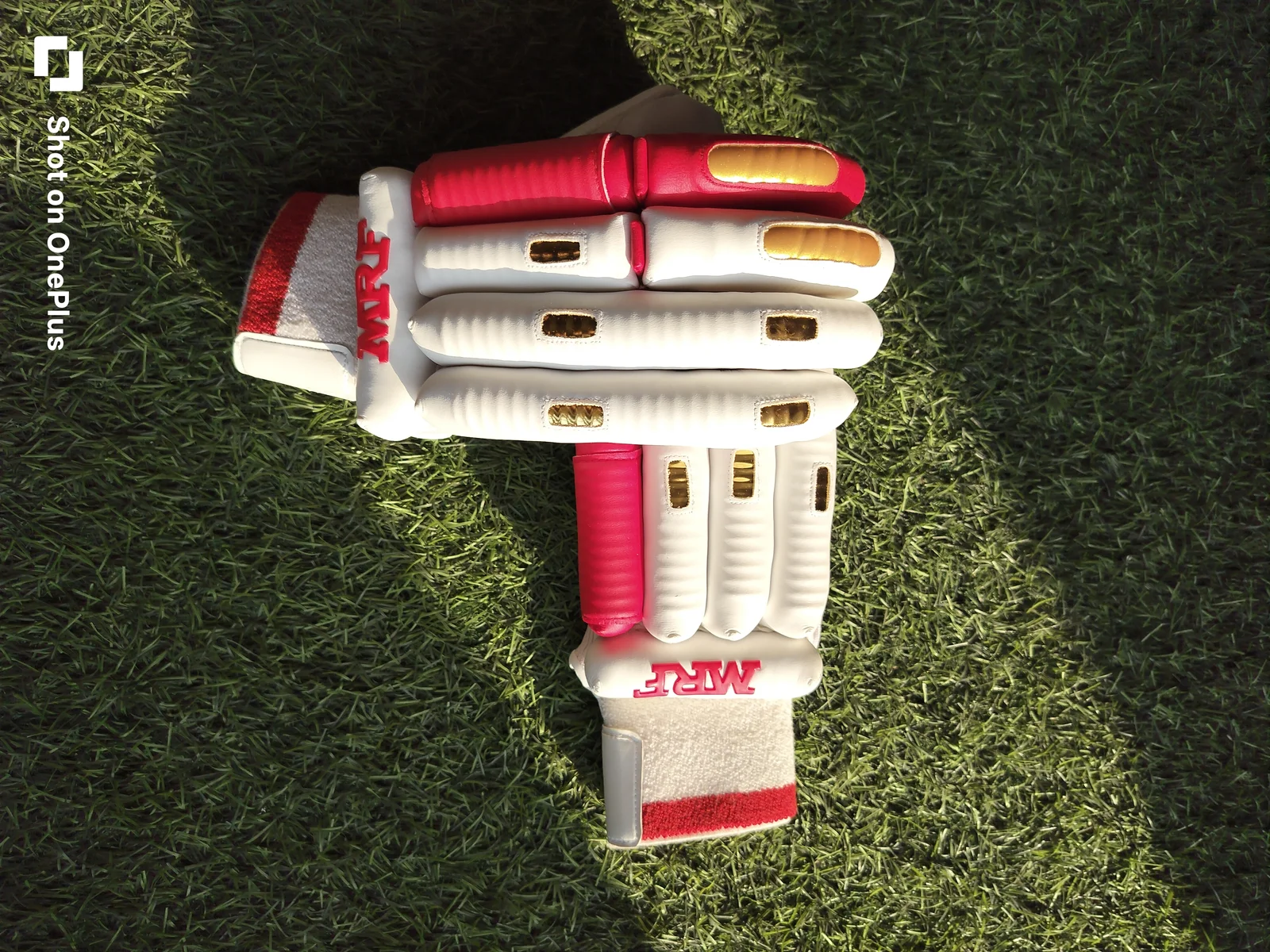
MRF Genius Prince is another model worth considering rather than buying solely on the strength of its name. Examine the palm finish, finger padding and the transition around the thumb. A good-looking glove is only a good choice when the hand can move naturally inside it.
Best suited to: Players comparing established brands at similar price points.
4. Gray-Nicolls GN9 International Cricket Batting Gloves
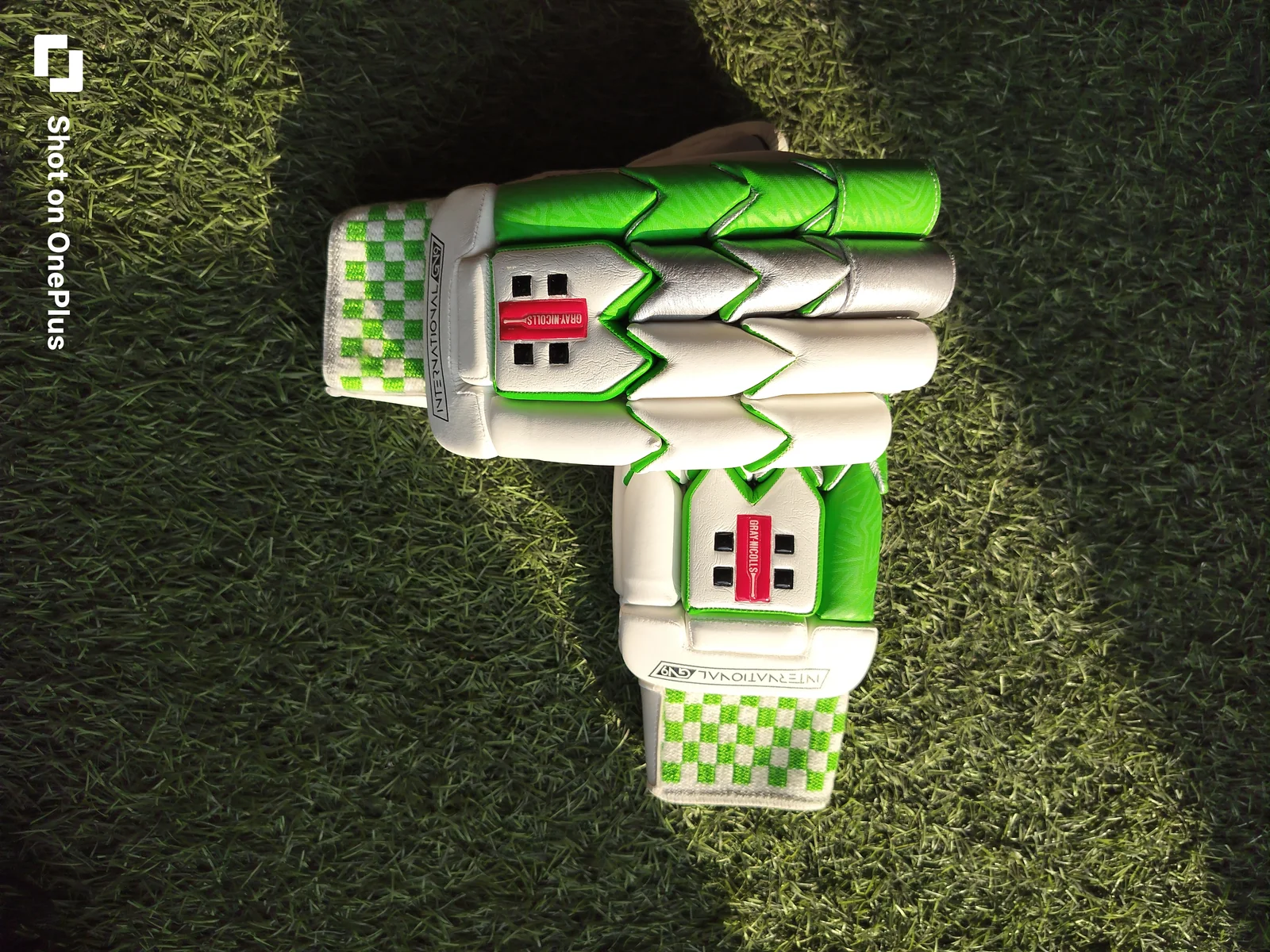
Gray-Nicolls GN9 International adds variety to this shortlist. When comparing it with Indian-brand models, focus on hand shape and the space around the knuckles rather than assuming imported branding means superior protection. A snug palm with enough finger room is more useful than a glove that merely feels heavily padded.
Best suited to: Buyers wanting to compare different glove constructions.
5. SS Ton Player Edition Cricket Batting Gloves
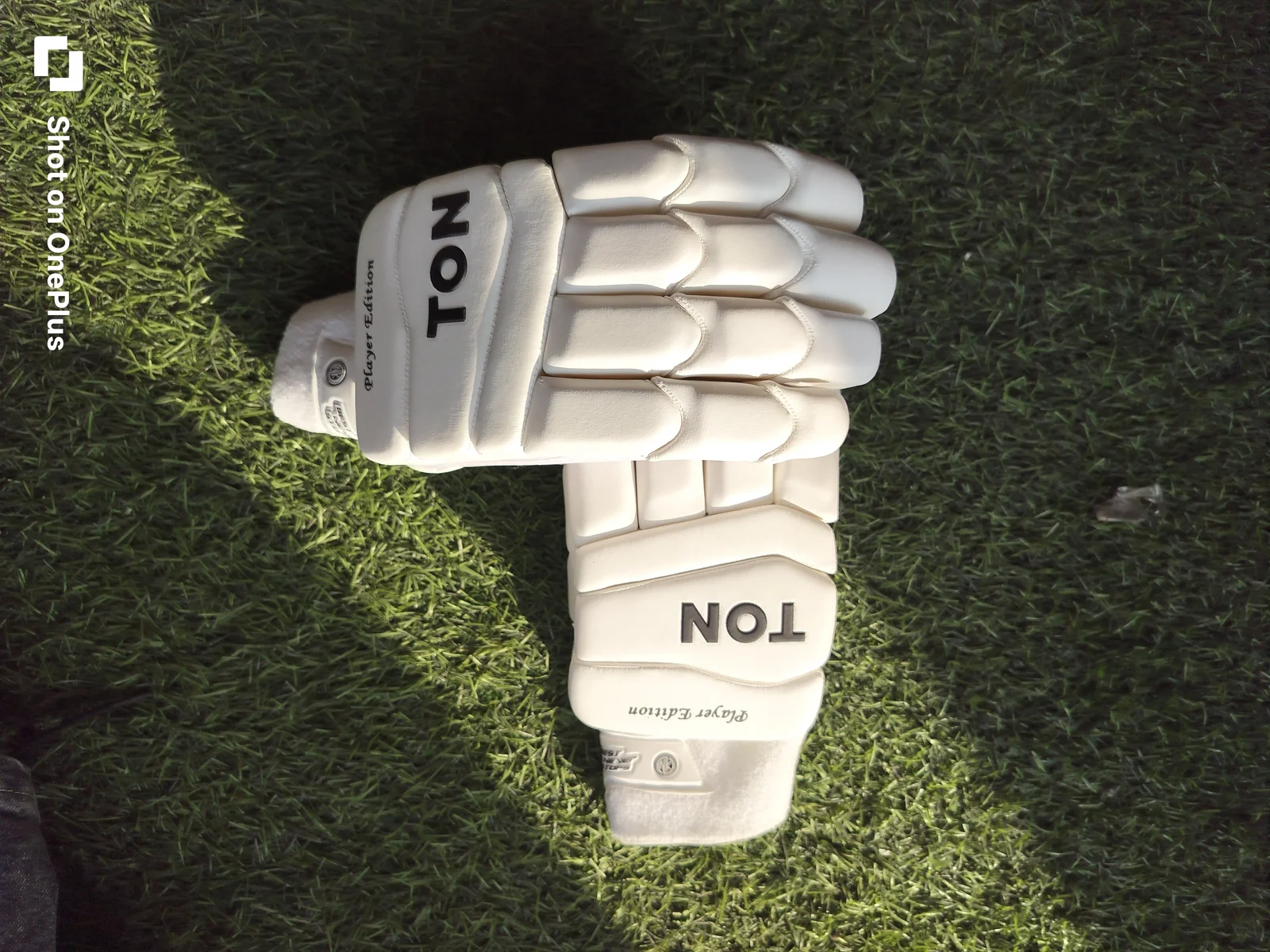
SS Ton Player Edition is an interesting choice for batters exploring modern glove profiles. Look closely at how the segmented finger sections follow the bend of your knuckles. If the fingers move freely without obvious gaps in protection, the design is doing something useful rather than merely looking technical.
Best suited to: Players seeking a contemporary player-edition design.
6. DSC Pro Player Cricket Batting Gloves
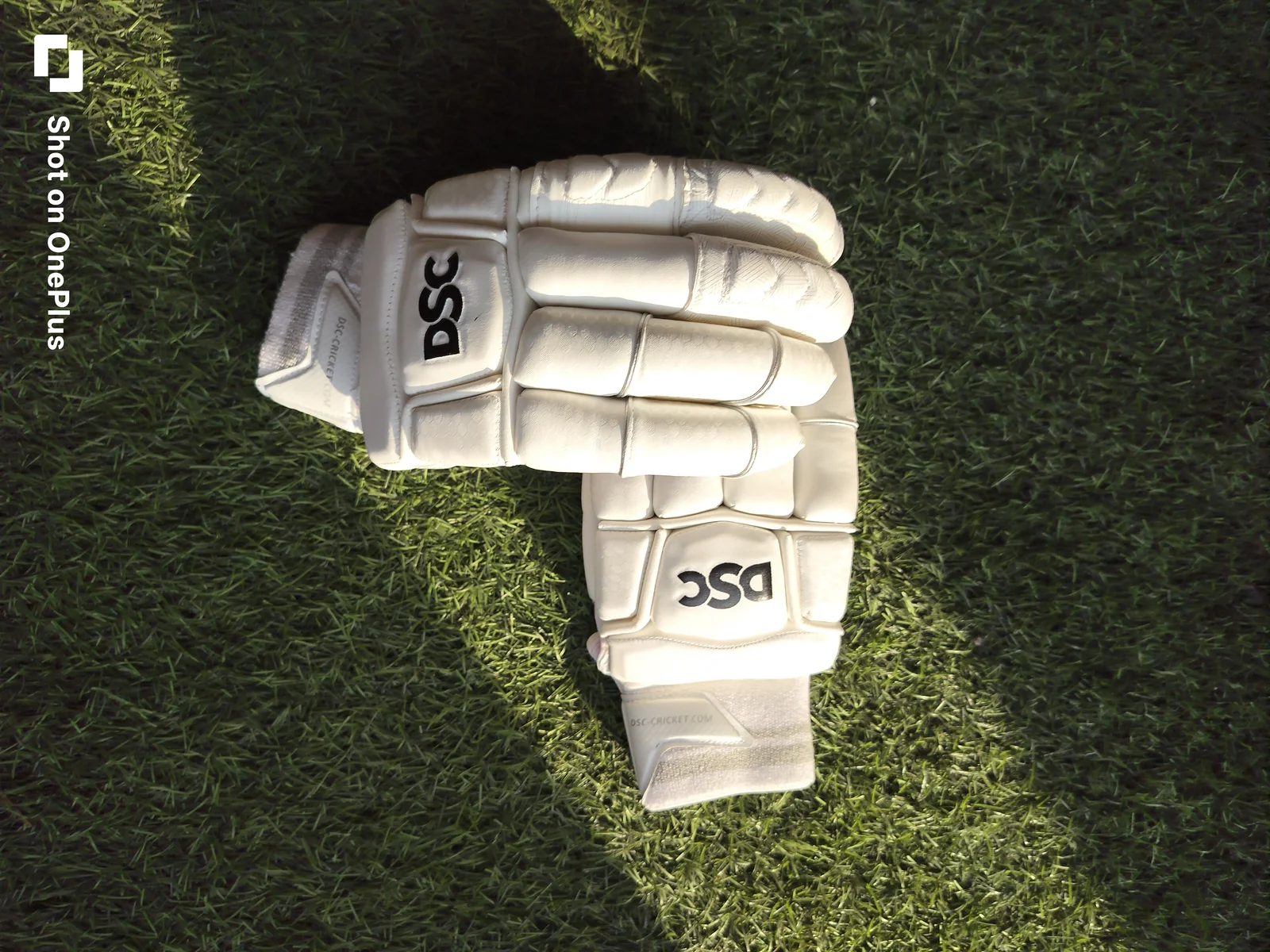
DSC Pro Player provides another player-focused option. Compare the thumb's freedom of movement, wrist closure and finger padding with the other models in your budget. These areas can make the difference between a glove that feels comfortable in the shop and one that remains comfortable through a long innings.
Best suited to: Players comparing protection and flexibility side by side.
7. THRAX Flicker Players Cricket Batting Gloves
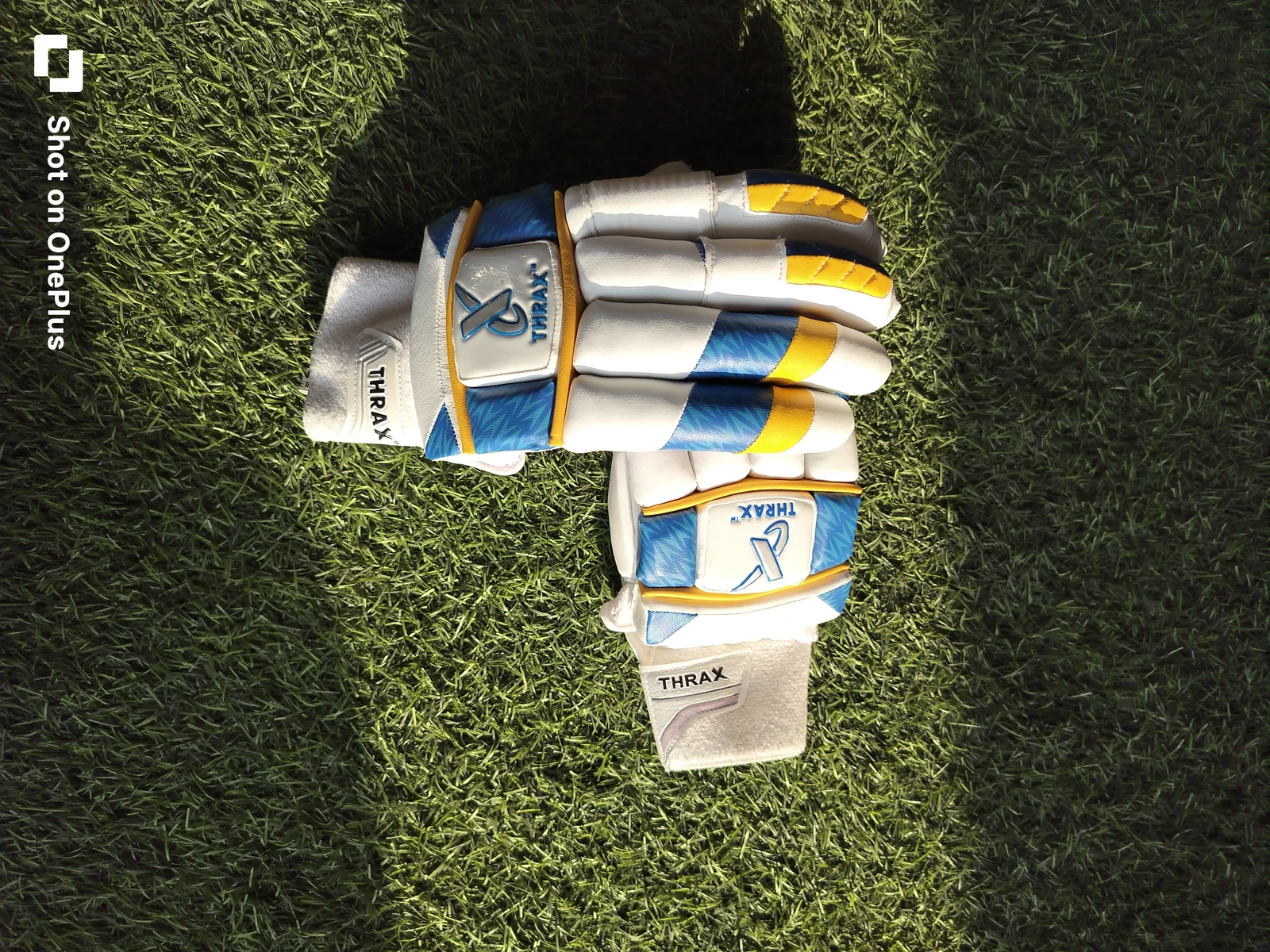
THRAX Flicker Players fits the theme of innovation through practical glove design. The useful questions are straightforward: does the palm sit cleanly on the handle, do the fingers bend without resistance, and does the protection remain in the right place as the hand closes? These matter more than decorative styling.
Best suited to: Players looking for an all-round design approach.
8. SG HP 33 Hardik Pandya Edition Cricket Batting Gloves
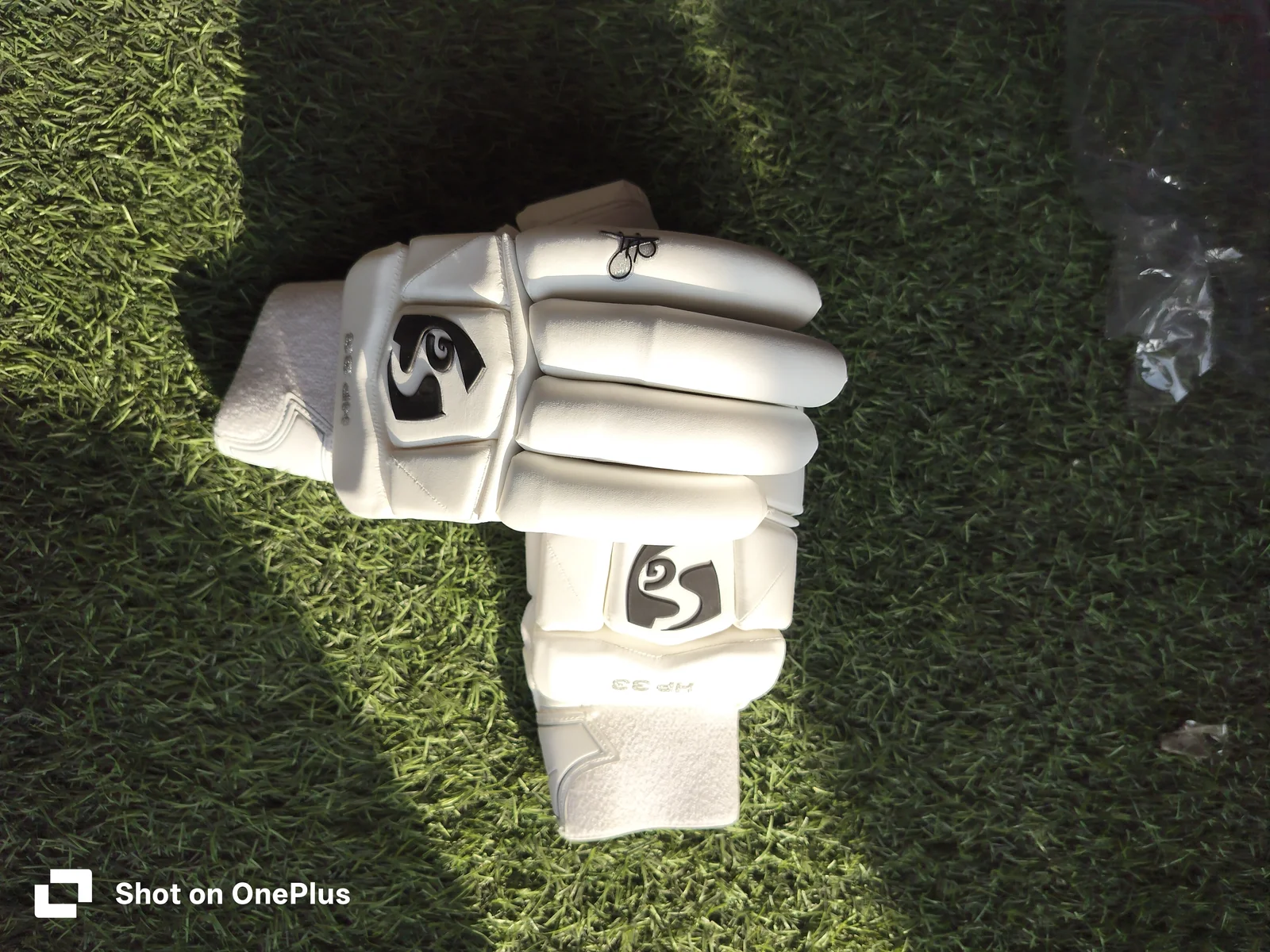
Signature styling can attract attention, but it should never replace the fitting test. With SG HP 33, compare the construction and palm quality with SG Test White. If the two feel different, choose the one that lets you hold your own bat more comfortably—not simply the one associated with a famous player.
Best suited to: SG enthusiasts considering a signature-style glove.
9. SF Nexzen Cricket Batting Gloves
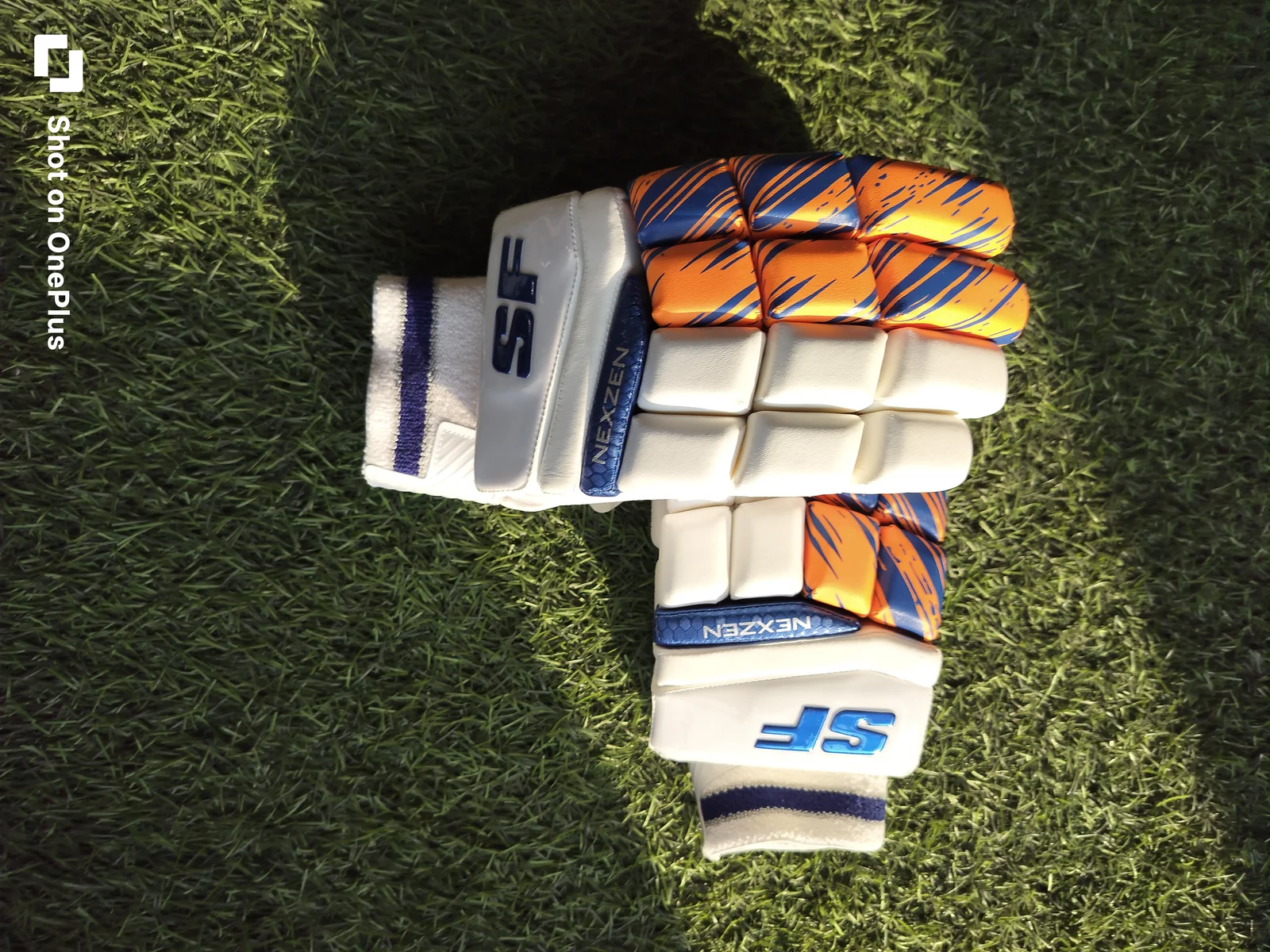
SF Nexzen is a useful option for exploring newer-looking glove shapes. Check whether its finger sections follow your natural grip and whether padding leaves enough room at the joints. A modern design should offer a practical benefit, not just a different visual pattern.
Best suited to: Players interested in contemporary finger construction.
10. THRAX ST 1800 Cricket Batting Gloves Red
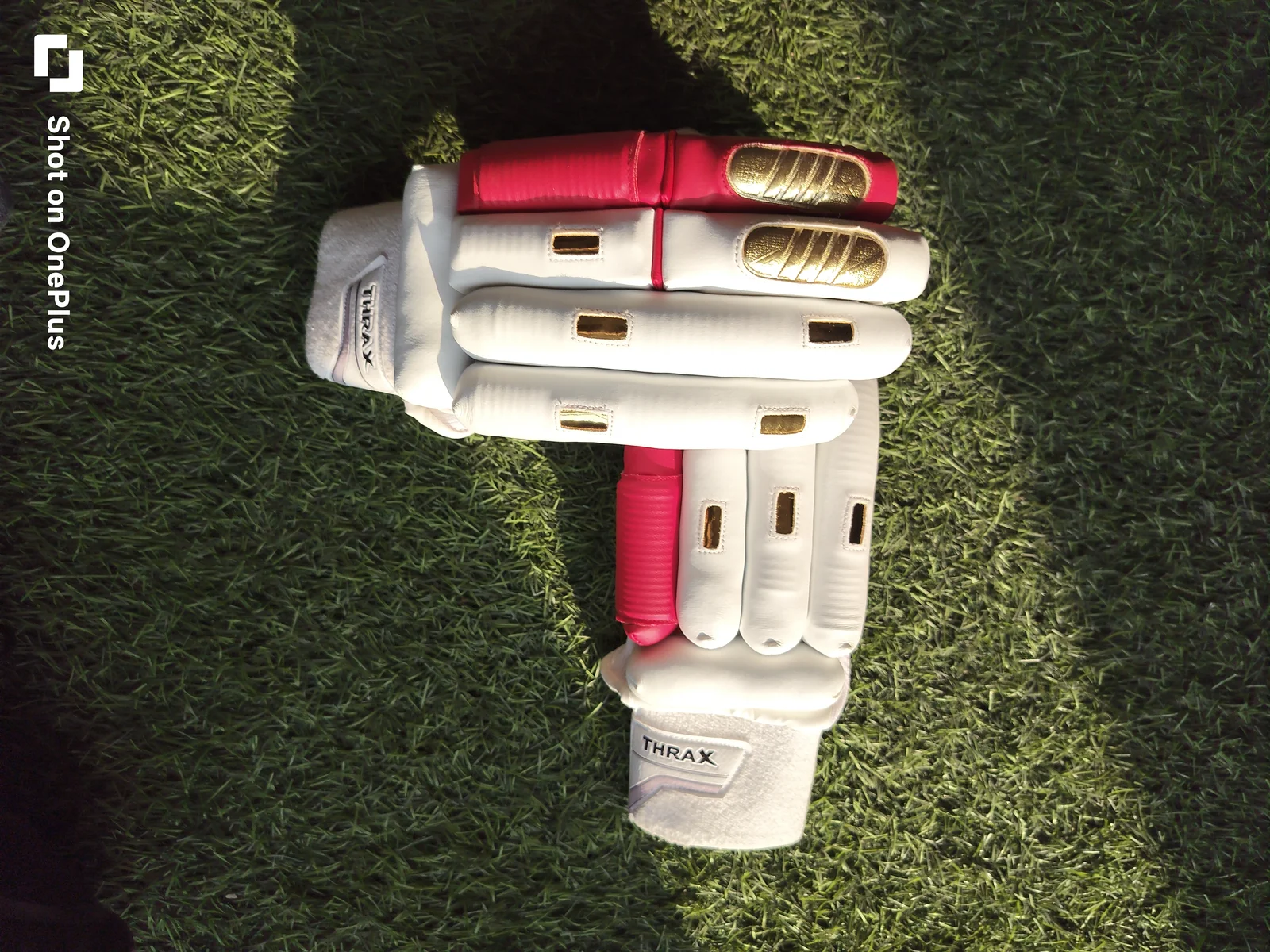
THRAX ST 1800 Red rounds out the selection as a glove worth considering for players who want a balanced everyday batting option. Its inclusion is not a claim that it matches premium gloves in every protective feature. Compare its palm, thumb movement and finger coverage against the demands of your level of cricket.
Best suited to: Players seeking a practical THRAX option for regular use.
How to choose the right batting glove for your game
Test the glove with your own bat
Put on both gloves, pick up your bat and take your normal stance. Close the fingers around the handle, then loosen and regrip several times. You should not feel the fingertips jam into the ends or excess material fold across the palm. Repeat a few controlled shadow swings to check whether the glove shifts.
Do not confuse a tight fit with a secure fit
A secure glove follows the hand. A glove that compresses the knuckles or limits finger movement is too tight, even if it feels firmly attached. Conversely, a loose glove can bunch up between the palm and handle. Choose the appropriate hand orientation and size; check the manufacturer's chart because sizing differs by model.
Match protection to the level of cricket
Hard-ball match play deserves serious attention to protective coverage. For faster bowling, examine the thumb and exposed fingers particularly carefully. No batting glove removes all impact risk, and appearance alone cannot establish its protective performance.
Common mistakes when buying batting gloves
- Choosing only by brand: Different models from the same manufacturer can fit differently.
- Ignoring the palm: Back-of-hand padding is visible, but the palm controls the connection to the bat.
- Buying too large: Extra material can bunch up and reduce grip confidence.
- Assuming more padding is always better: Protection matters, but restricted movement is also a drawback.
- Ignoring ventilation and care: Damp gloves can become uncomfortable and wear prematurely; air-dry them after use according to care instructions.
Our final recommendation for 2027
Start with fit, not price. If you like traditional glove shapes, compare SG Test White with the SG HP 33. If you are interested in different segmented constructions, examine SS Ton Player Edition and SF Nexzen. If fitting is your biggest concern, put Kookaburra Kahuna Pro Player on the shortlist. THRAX Flicker Players and ST 1800 are worth considering for an all-round design approach. MRF, Gray-Nicolls and DSC add useful alternatives when comparing palm feel and protective construction.
Ultimately, the best glove is the one that feels like part of your hands while giving the protection appropriate to your cricket. Pair it with a suitable cricket bat and dependable cricket shoes—the three work together in your batting setup.



Comment(s)
No comments yet
Be the first to share your thoughts about this article.
Leave a Comment
Your email address will not be displayed publicly.