
A cricket shoe has a surprisingly difficult job. One moment you are sprinting to stop a boundary, the next you are planting your front foot to drive, or turning quickly to chase a second run. The best rubber-stud shoe is not necessarily the most expensive one. It is the pair that gives you predictable traction, a secure fit and enough comfort to keep moving through a full session.
This 2027 buying guide is an editorial shortlist, not the result of a controlled on-field test. The order reflects the models selected for comparison, rather than measured performance scores. Availability, model revisions and outsole variants should be checked before purchasing.
Why rubber studs matter in cricket
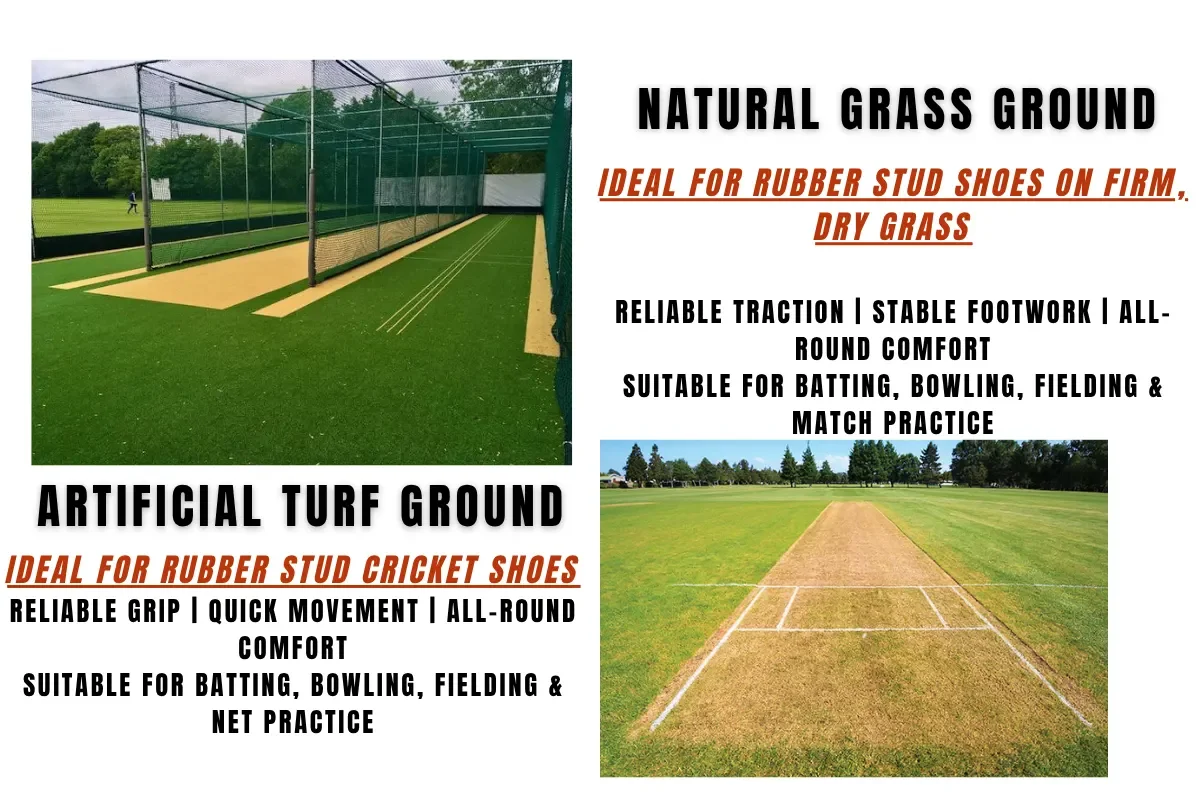
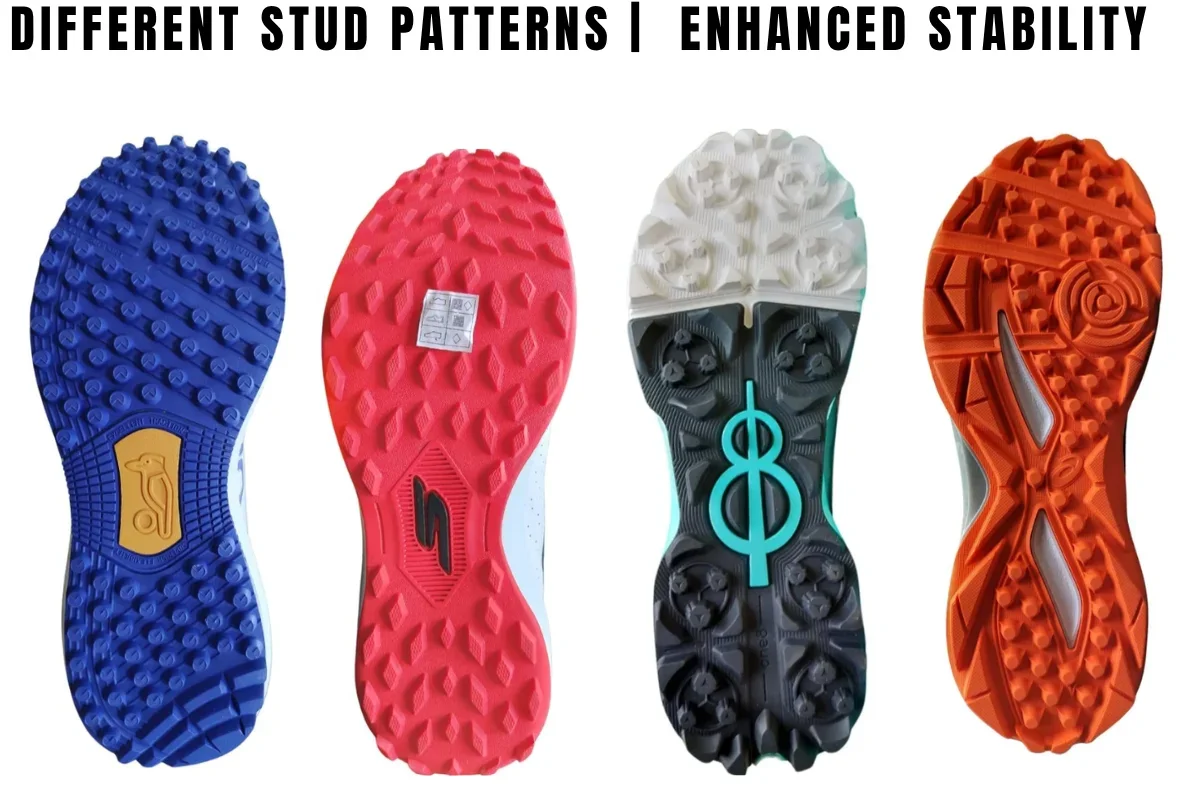
Running between wickets, changing direction in the ring and taking a few steps into a bowling delivery all depend on reliable contact with the ground. A moulded rubber-stud outsole uses multiple raised contact points to help the shoe engage with suitable surfaces. Unlike removable metal spikes, the studs are integrated into the sole and are generally convenient for players moving between training and matches where permitted.
But “rubber stud” does not mean “grips everywhere”. A dusty hard wicket, damp outfield and synthetic practice strip all behave differently. Surface rules matter too: some facilities restrict studs or require a particular outsole.
Why rubber studs can suit all-round players
An all-rounder rarely moves in one direction for long. Batting calls for controlled starts and stops; bowling involves approach rhythm and a stable landing; fielding demands short sprints, lateral steps and turns. A versatile rubber-stud shoe can offer a reasonable compromise when the surface suits it. The important word is compromise: a specialist fast bowler playing on damp natural turf may need different footwear from a batter training on a hard synthetic wicket.
Match the outsole to your playing surface
| Surface | Rubber-stud suitability | What to check |
|---|---|---|
| Dry, firm grass | Often useful | Stud pattern and directional traction |
| Moderately firm artificial turf | Depends on venue rules and pile | Facility approval and sole design |
| Hard or concrete nets | Varies; flat rubber or turf-specific soles may be preferable | Comfort, wear and facility rules |
| Wet or soft natural grass | May offer insufficient traction | Consider suitable specialist spikes |
| Indoor flooring | Usually not a default choice | Non-marking indoor-specific footwear |

What makes a good rubber-stud outsole?
Rubber quality: The compound needs to balance grip with resistance to abrasion. Very soft rubber may feel grippy initially but wear faster on rough hard surfaces; an extremely hard compound can feel less reassuring on smooth ground.
Stud shape and spacing: Raised lugs must be positioned to provide useful contact as you accelerate, brake and turn. More studs do not automatically mean better grip; placement and surface interaction matter.
Outsole attachment: Check the join between the sole and upper, especially around the toe flex point. Poor bonding can shorten useful life even when the tread looks fine.
Flex and support: The forefoot should move naturally, while the midfoot and heel should not feel unstable. A shoe that bends freely in every direction is not necessarily better for fielding.
Six things to consider before buying
- Your main surface: Buy for the pitch and outfield you play on most, not an imagined professional stadium.
- Heel hold: Your heel should stay seated when you stop or move sideways.
- Toe room: Leave comfortable space without allowing your foot to slide forward while braking.
- Bowling workload: Regular pace bowlers should pay particular attention to landing stability and cushioning; consult a qualified coach for individual needs.
- Stud wear: Inspect the rubber regularly. Worn-down lugs can change traction.
- Value over branding: Compare construction, fit and replacement cost instead of choosing purely by logo.
Our 10 cricket rubber-stud shoes to consider for 2027
These are ten distinct options worth investigating. The “best for” descriptions are editorial shopping priorities, not laboratory performance results or claims that one shoe has outperformed another.
| Position | Model | Why consider it |
|---|---|---|
| 1 | one8 Pitch 18 Cricket Shoes | A contemporary option for players seeking a balanced cricket shoe |
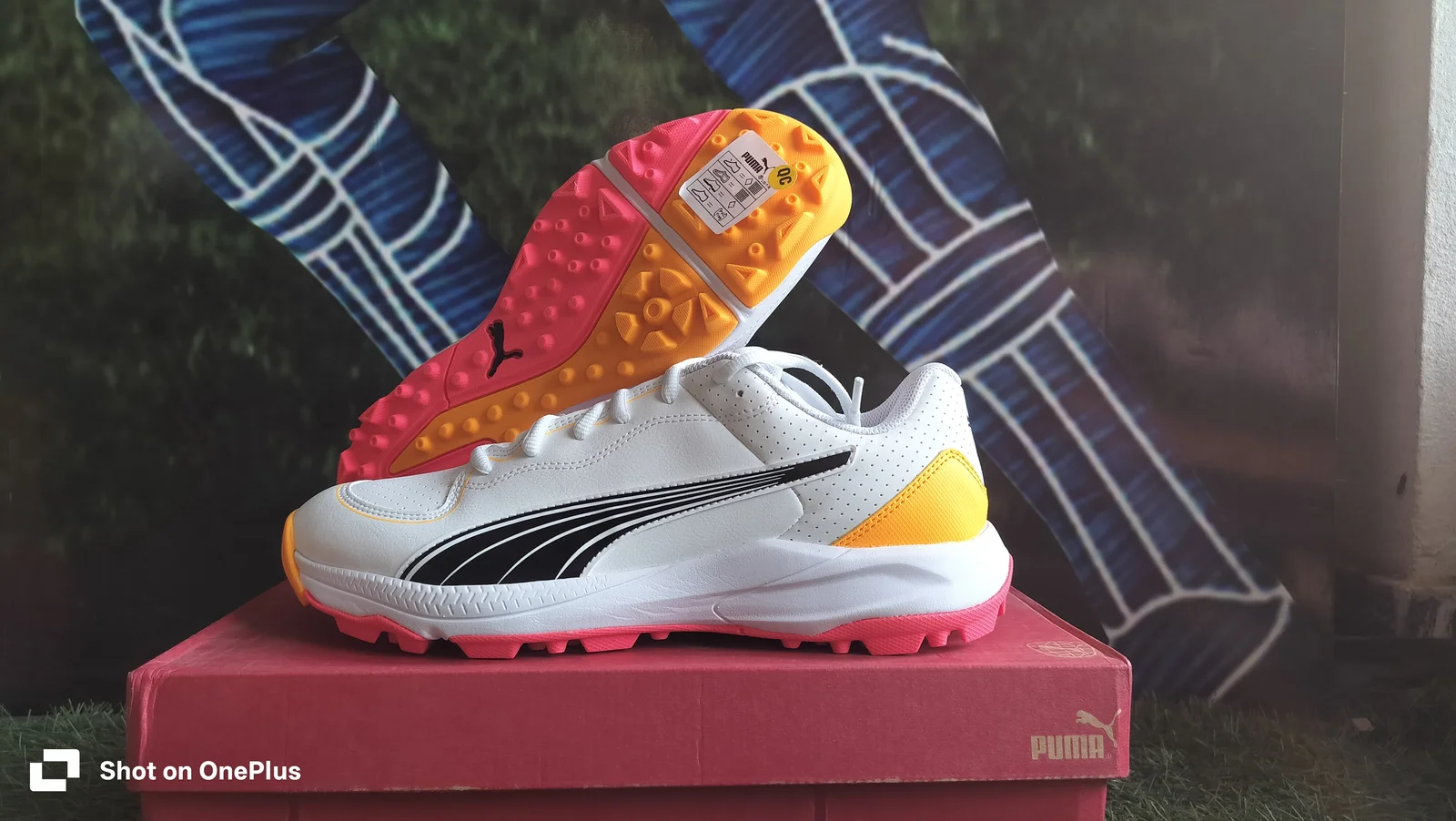
| 2 | Puma 24 FH Rubber Cricket Shoes | For players prioritising a stable planted feel |
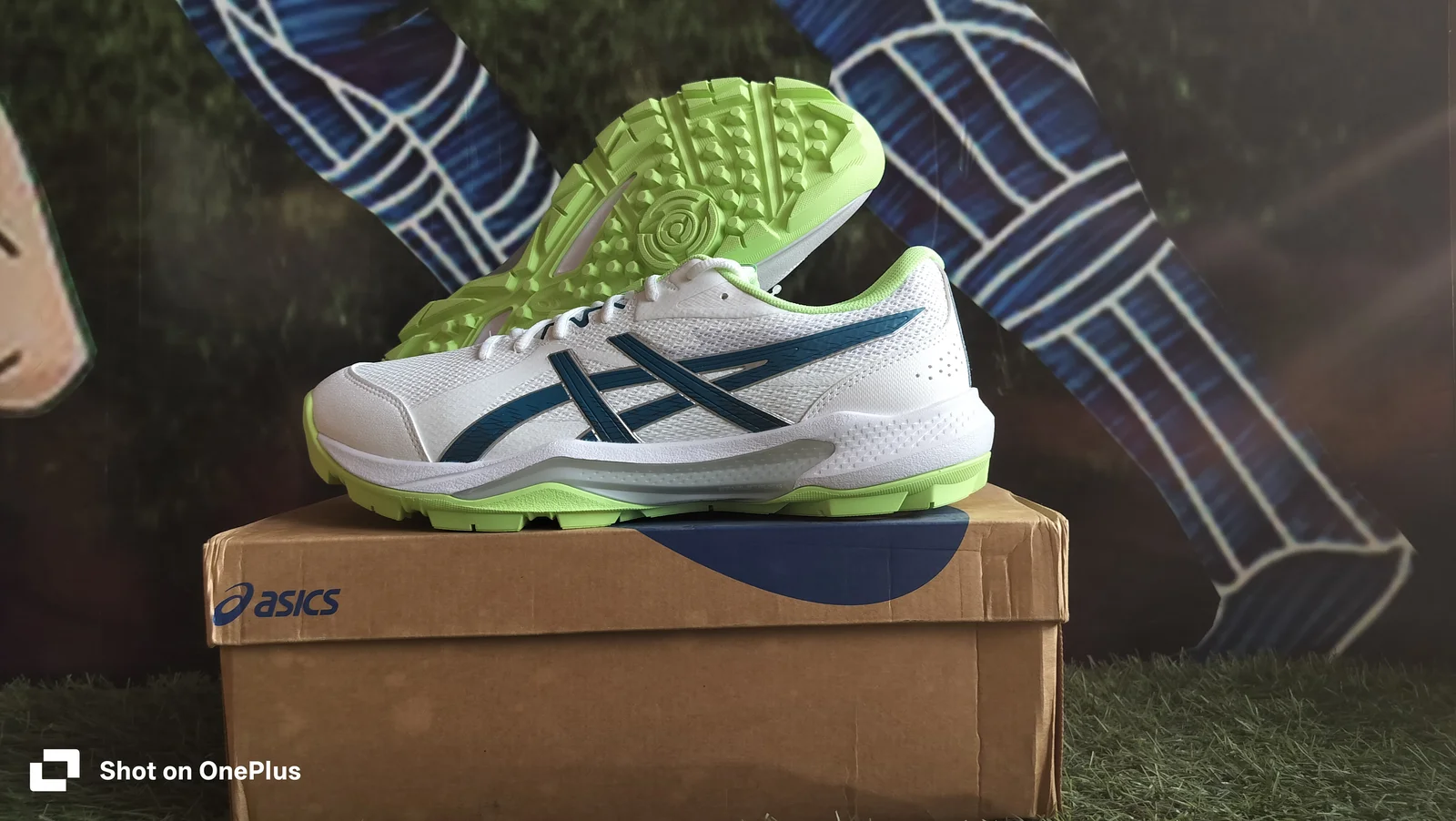
| 3 | ASICS GEL-PEAKE 3 | For players prioritising lateral support on turf |
| 4 | DSC Endgame Rubber Cricket Shoes | A practical all-round cricket footwear candidate |
| 5 | Thrax Rampaze Rubber Cricket Stud Shoes | Value-focused all-round consideration |
| 6 | DSC Jaffa GT | For regular nets and club sessions |
| 7 | Skechers 214205ID Cricket Shoes | For shoppers who put fit and comfort first |
| 8 | ASICS GEL-LETHAL FIELD 2 | For players considering field-sport support |
| 9 | Kookaburra Pro 2.0 Rubber Cricket Shoes | For players seeking a conventional rubber-stud option |
| 10 | SG Scorer Edge | For academy and recreational cricket |
1. one8 Pitch 18 Cricket Shoes
Who should look at it: A contemporary option for players seeking a balanced cricket shoe.
Look for a secure heel fit and confirm the precise outsole pattern on the chosen colourway. A shoe that feels light but slips at the heel is not a good bargain.
2. Puma 24 FH Rubber Cricket Shoes
Who should look at it: For players prioritising a stable planted feel.
Inspect the rubber tread, midfoot hold and forefoot flex. Do not assume a model with a familiar brand name suits every wicket. You can compare other Puma cricket shoes before deciding.
3. ASICS GEL-PEAKE 3
Who should look at it: For players prioritising lateral support on turf.
ASICS describes TRUSSTIC support, a wrap-up outsole, flexible grooves and a redesigned tread for grip on turf. This is a particularly relevant combination for side-to-side fielding movements.
Verified manufacturer detail: ASICS identifies TRUSSTIC technology, a wrap-up outsole and redesigned grip for turf surfaces. Availability differs by region; an Australian ASICS listing labels a variant discontinued. Compare the wider ASICS cricket shoes range for alternative models.
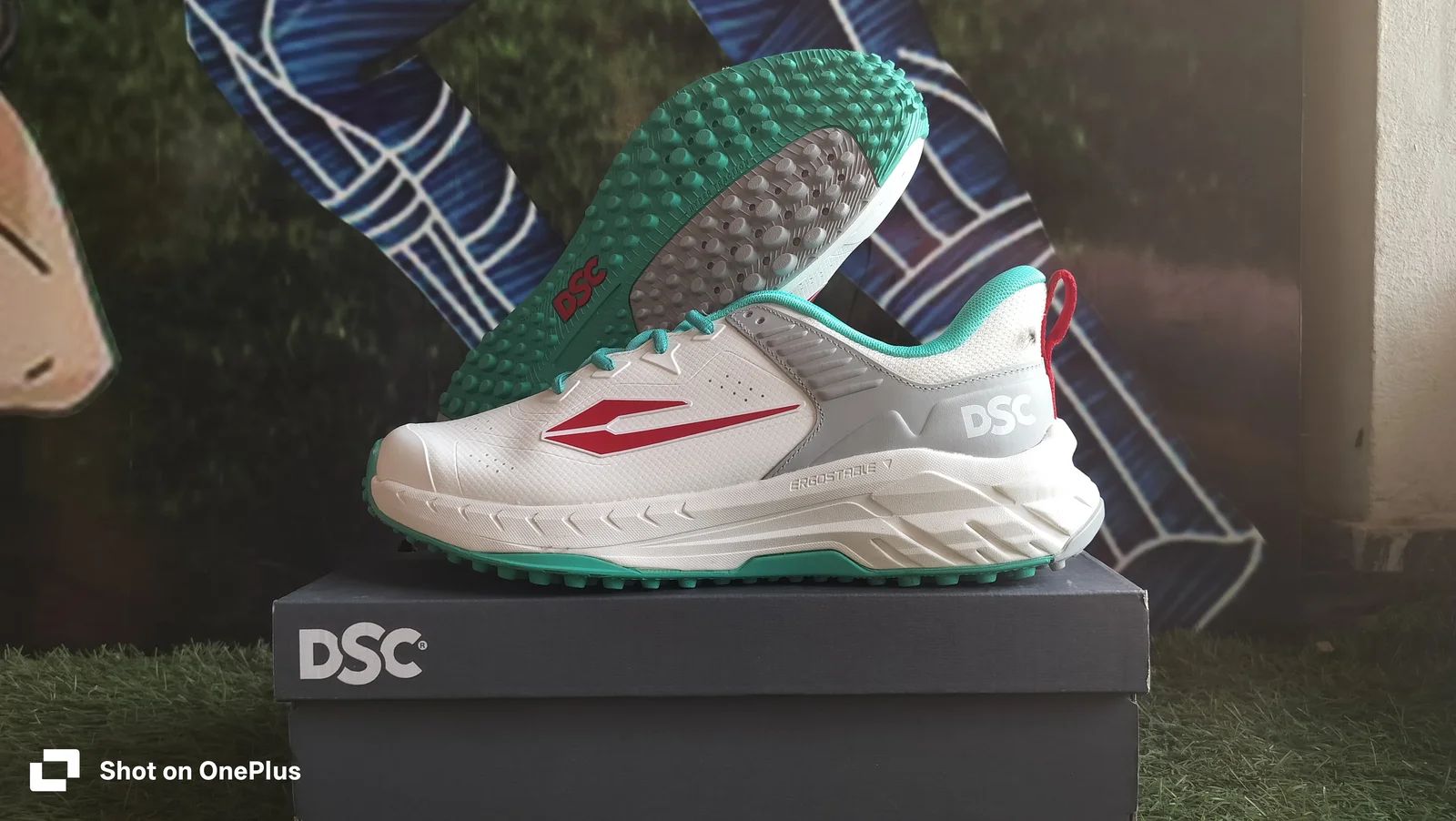
4. DSC Endgame Rubber Cricket Shoes
Who should look at it: A practical all-round cricket footwear candidate.
Worth comparing for a player alternating between net batting, bowling and fielding. Check outsole depth, heel support and the exact SGMR 26 variant before buying.
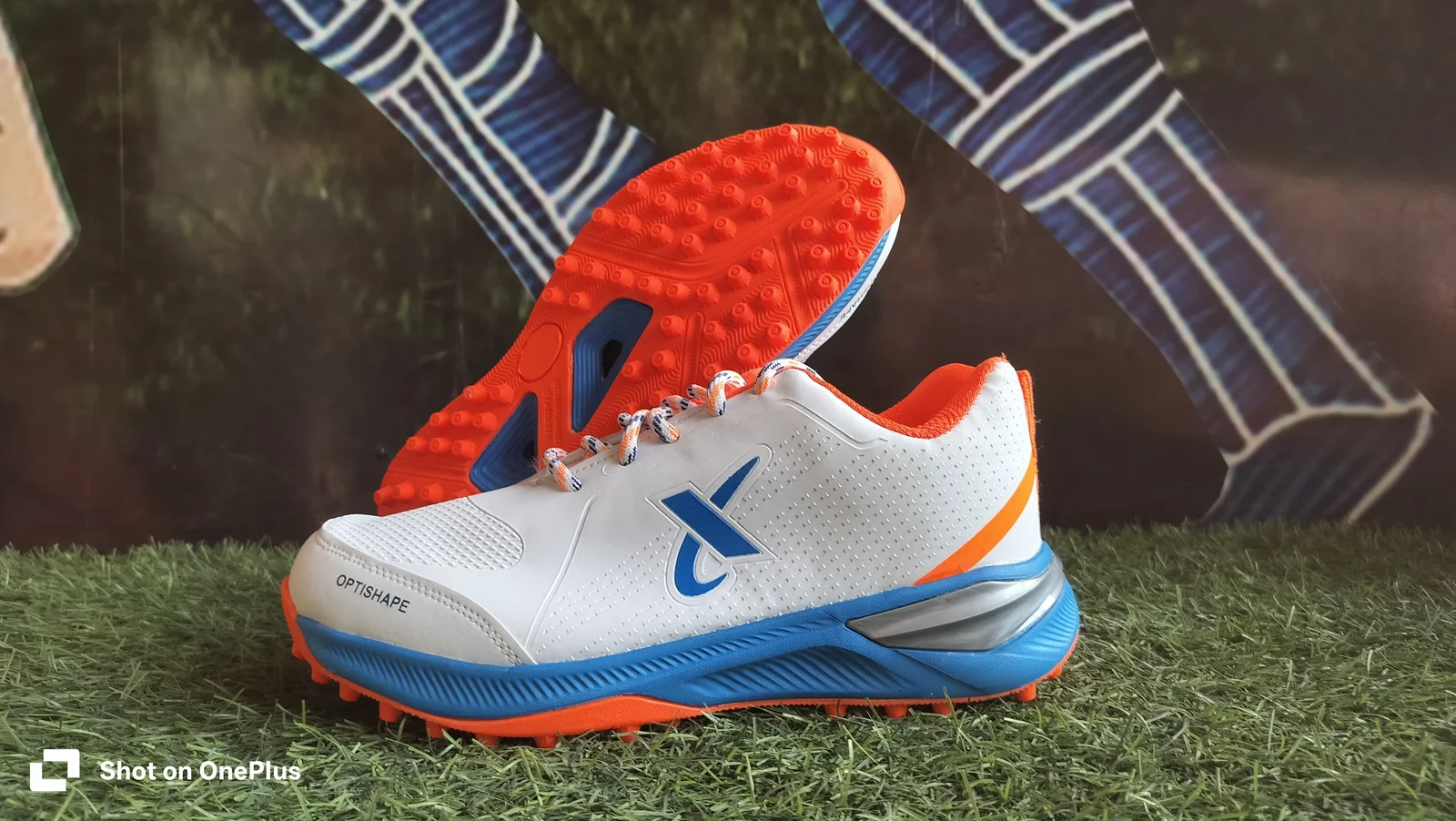
5. Thrax Rampaze Rubber Cricket Stud Shoes
Who should look at it: Value-focused all-round consideration.
A sensible shortlist option when budget matters. Judge the rubber studs by spacing and construction rather than appearance alone; compare fit and upper reinforcement with more expensive shoes. The Thrax cricket shoes collection offers other options to consider.
Why it earns fifth place in this shortlist: It gives budget-conscious players a model to compare directly against more expensive alternatives. It should not be described as objectively fifth-best without side-by-side testing.
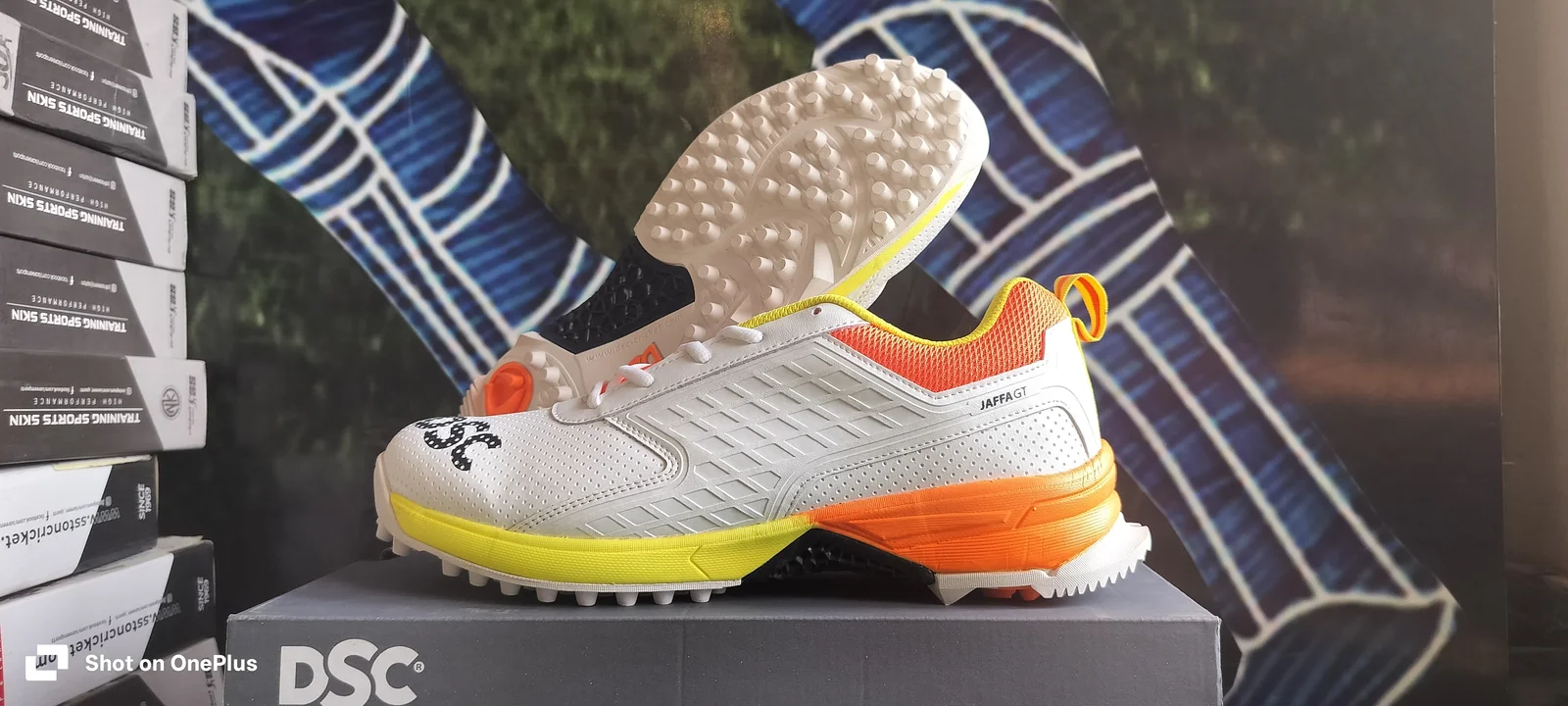
6. DSC Jaffa GT
Who should look at it: For regular nets and club sessions.
A potential everyday choice for a player who wants one pair for different roles. Confirm the exact outsole version and try the shoes with match socks.
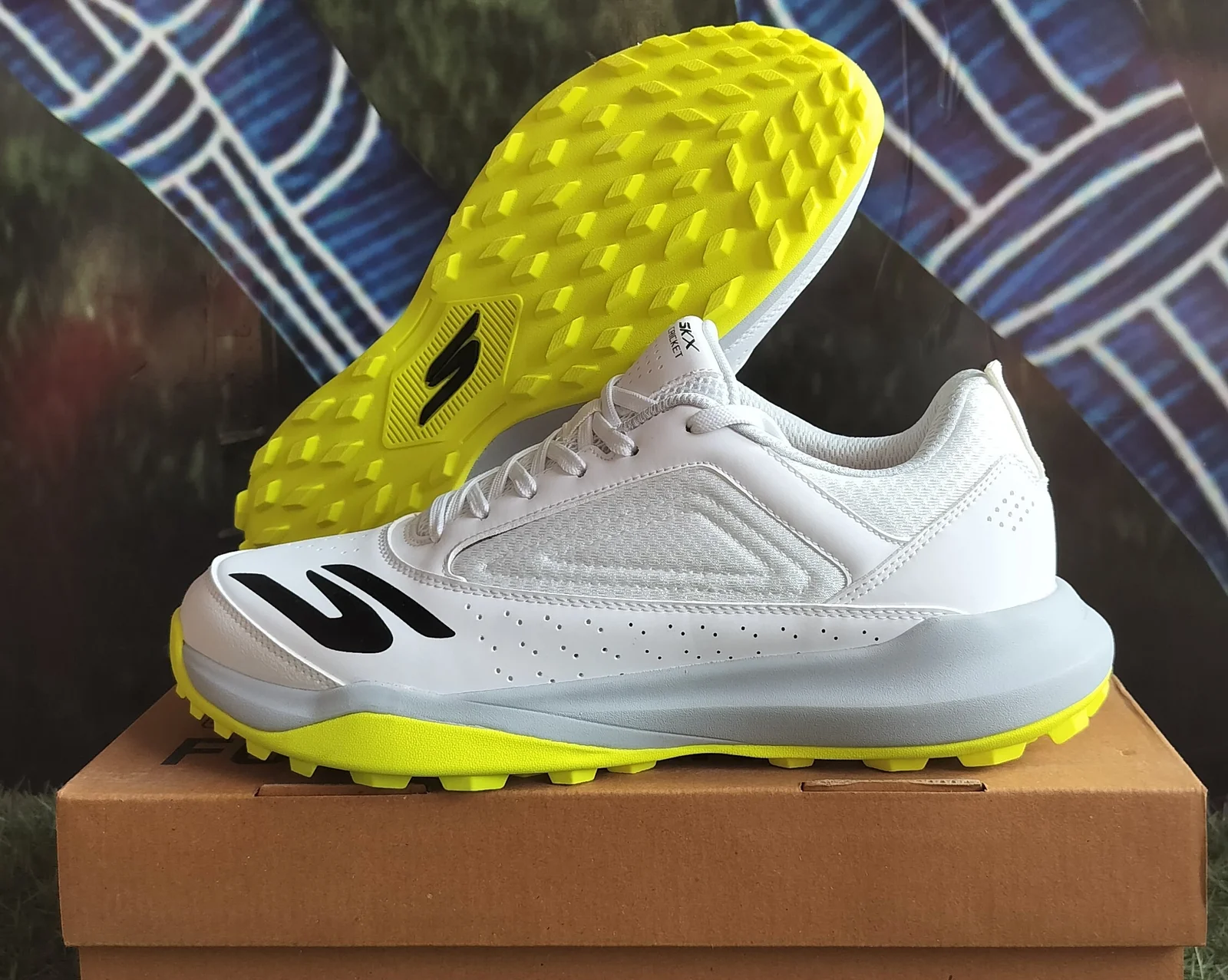
7. Skechers 214205ID Cricket Shoes
Who should look at it: For shoppers who put fit and comfort first.
Compare forefoot space, heel hold and underfoot feel. Cushioning that feels soft in a shop is not automatically more stable during a sharp turn. See the Skechers cricket shoes range for other styles.
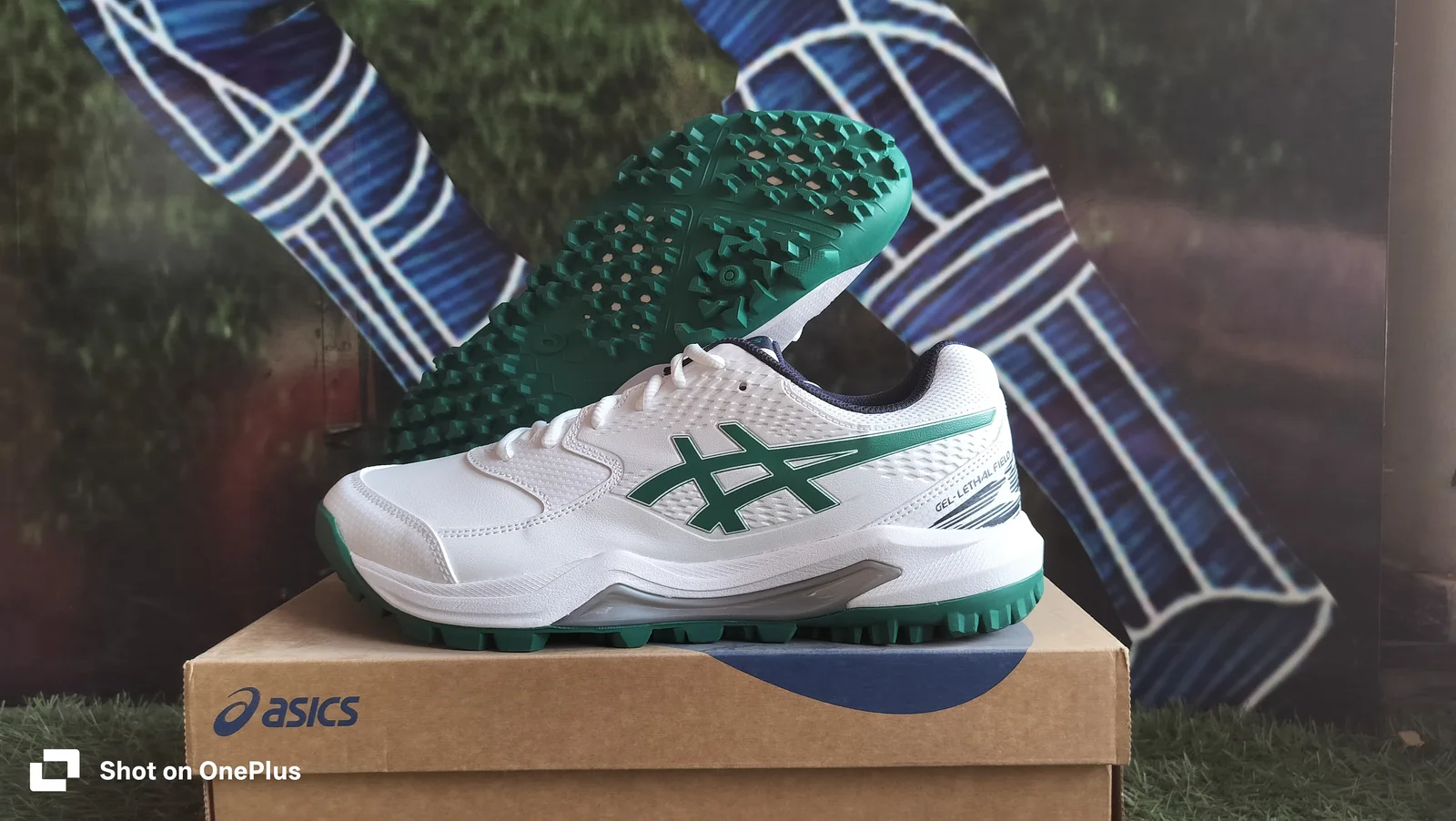
8. ASICS GEL-LETHAL FIELD 2
Who should look at it: For players considering field-sport support.
Check the particular cricket-appropriate rubber outsole and local availability. The model name alone does not establish suitability for every pitch.
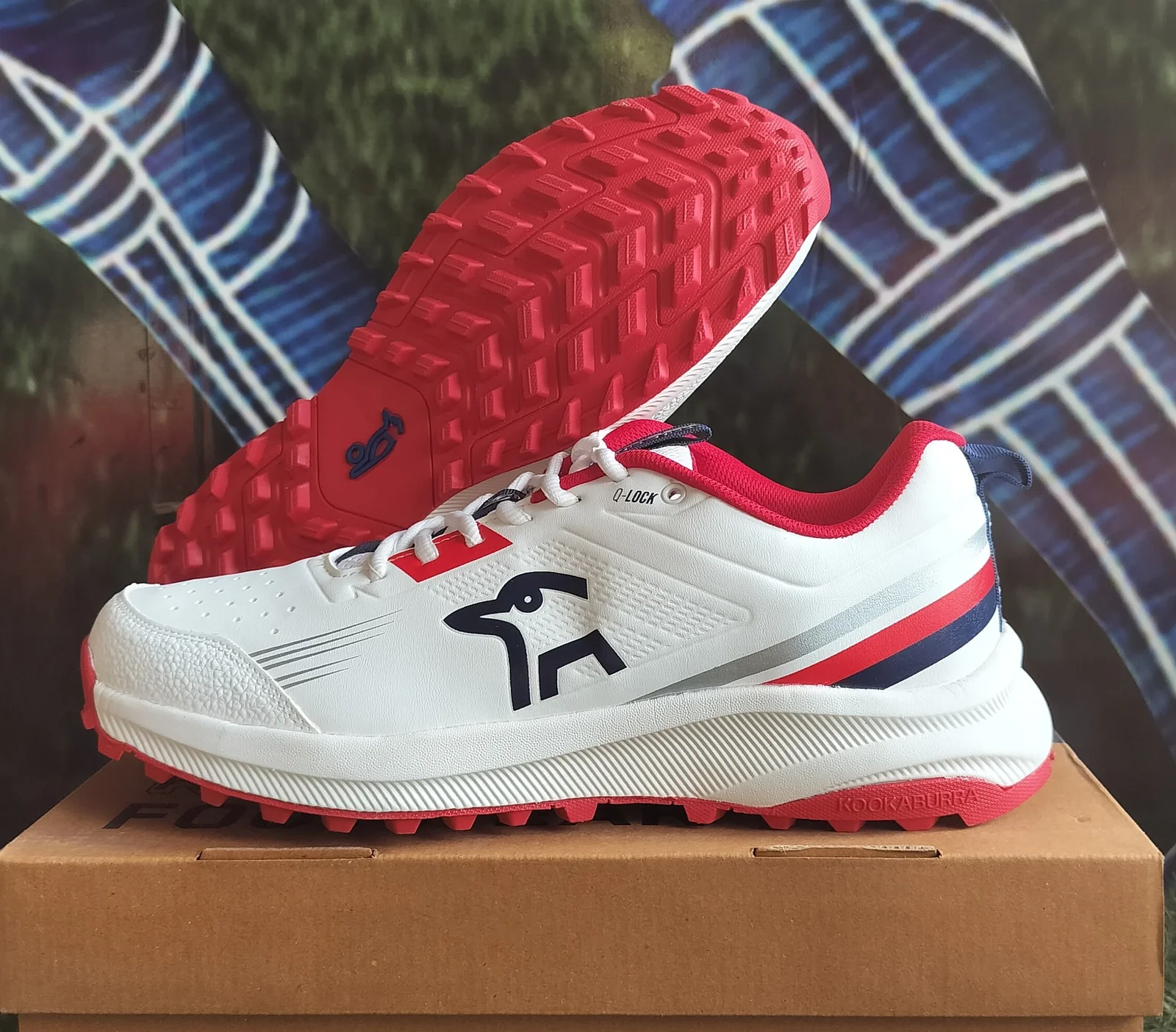
9. Kookaburra Pro 2.0 Rubber Cricket Shoes
Who should look at it: For players seeking a conventional rubber-stud option.
Inspect the sole and upper construction and make sure the stud pattern matches your main playing surface. Compare more options in the Kookaburra cricket shoes collection.
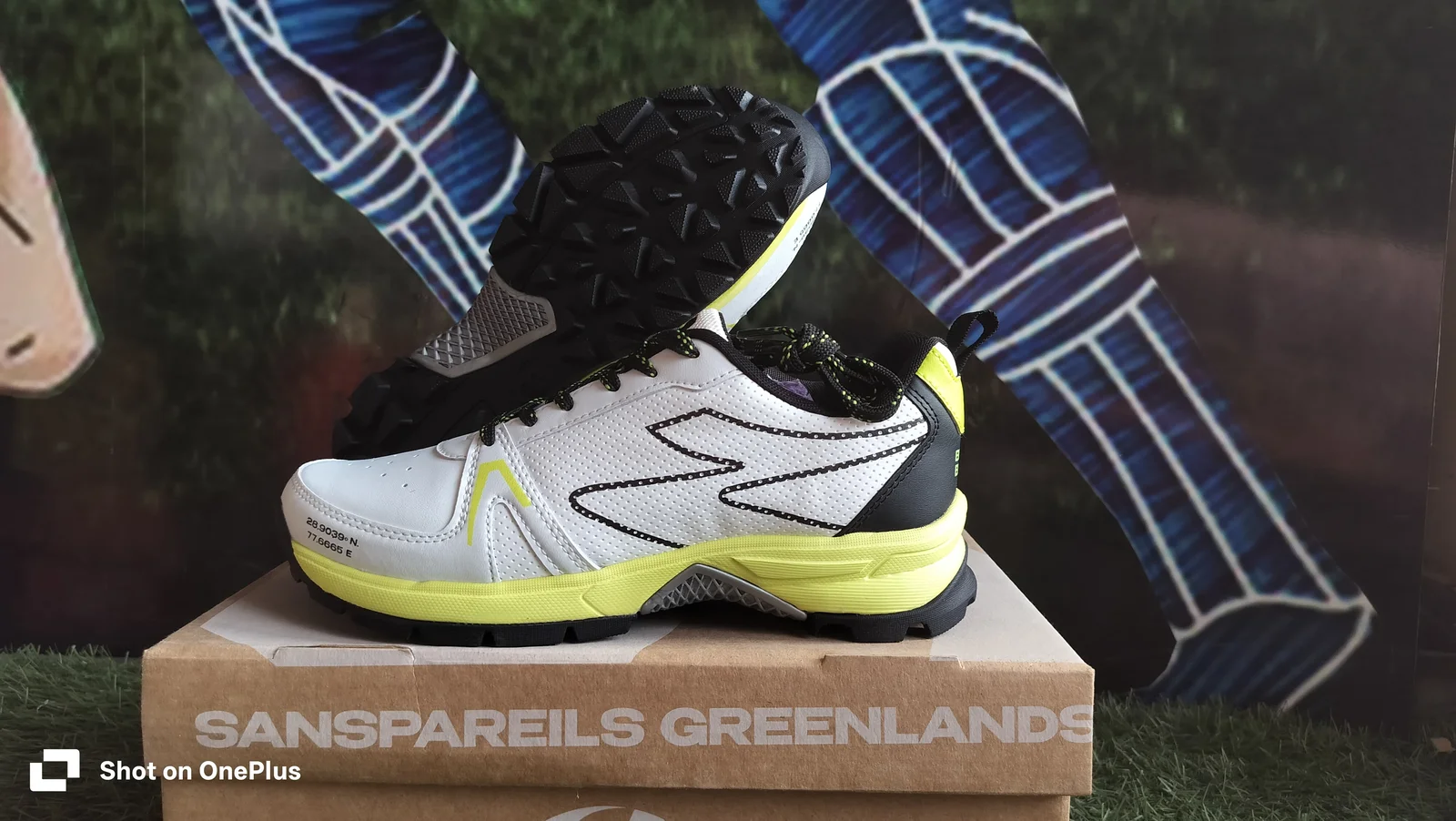
10. SG Scorer Edge
Who should look at it: For academy and recreational cricket.
Compare durability around the toe and sides, grip on your usual surface and how firmly the shoe holds the foot.
Which would I shortlist first?
For a player concerned mainly with stability, I would begin by examining the ASICS GEL-PEAKE 3, because the manufacturer explains its support construction clearly. For someone who wants a budget-conscious comparison, Thrax Rampaze belongs on the list. If you are deciding between several mid-range options, compare the DSC Endgame, Skechers 214205ID and Kookaburra Pro 2.0 against your actual playing surface and fit. These are buying directions, not claims of personally tested superiority.
Common buying mistakes
- Assuming every rubber-stud outsole is appropriate for wet grass.
- Choosing a loose size for extra comfort and then sliding inside the shoe while braking.
- Using aggressive studs on a surface that prohibits them.
- Judging cushioning only by how soft it feels when standing still.
- Ignoring sole wear until traction becomes unpredictable.
Frequently asked questions
Are rubber-stud cricket shoes good for batting and bowling?
They can be a useful all-round choice on suitable surfaces. Bowlers with demanding landing loads should evaluate support and traction carefully.
Can I use rubber-stud shoes on concrete wickets?
It depends on the outsole and venue. Some hard-wicket or turf-specific shoes are designed for such use; aggressive studs may wear quickly or be restricted.
Are rubber studs better than metal spikes?
Neither is universally better. Rubber studs can be convenient on firm surfaces, while appropriate metal-spike footwear may provide better purchase on soft or wet grass where allowed.
How long do rubber studs last?
There is no reliable universal lifespan. Frequency of play, player movement, rubber compound and surface abrasiveness all matter. Replace footwear when tread or structural support is materially worn.
What should an all-rounder prioritise?
Start with the surface, then choose a secure fit, predictable grip, stable heel and comfortable cushioning. A famous brand is not a substitute for fit.
Summary
Cricket shoes should make you think less about your feet and more about the next ball. The best rubber-stud pair for 2027 is the one that suits your wicket, your movement and your budget. Start with the surface, compare a few pairs properly and avoid treating a single specification as the whole story.
For more options across budgets and playing surfaces, explore Khelmart's cricket shoes collection. If you are putting together your complete playing kit, you can also compare English willow and Kashmir willow cricket bats. Choose footwear for your usual surface first, rather than buying solely on brand or appearance.
References
- ASICS — GEL-PEAKE 3 product description and technologies
- ASICS Australia — GEL-PEAKE 3 product and availability notice
- Khelmart — DSC Endgame product listing
- Khelmart — Skechers 214205ID product listing
- Khelmart — Kookaburra Pro 2.0 product listing
About the Me
Subham Sarkar writes about sports equipment and practical buying decisions for Khelmart readers. This guide brings together product information and editorial considerations to help cricket players choose footwear for their needs. No personal on-field testing is claimed in this article.

Comment(s)
No comments yet
Be the first to share your thoughts about this article.
Leave a Comment
Your email address will not be displayed publicly.