
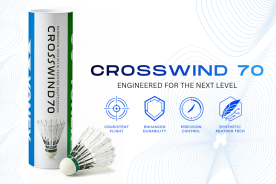
Yonex CROSSWIND 70: Could This Synthetic Feather Shuttlecock Change Badminton?
For generations, natural feather shuttlecocks have defined the feel of competitive badminton. Their distinctive flight, deceleration, touch and response make them the preferred choice for many serious and advanced badminton players.
But feather shuttlecocks also have an obvious limitation: durability. Intense rallies, powerful smashes and repeated racket contact can damage natural feathers relatively quickly, leading players, academies and clubs to use large quantities of shuttlecocks.
This creates an interesting engineering challenge: can a synthetic shuttlecock provide greater durability while reproducing more of the flight characteristics and playing feel associated with natural feathers?
Instead of simply producing another conventional nylon shuttle, Yonex has developed a synthetic feather structure inspired by the aerodynamic characteristics of natural feathers.
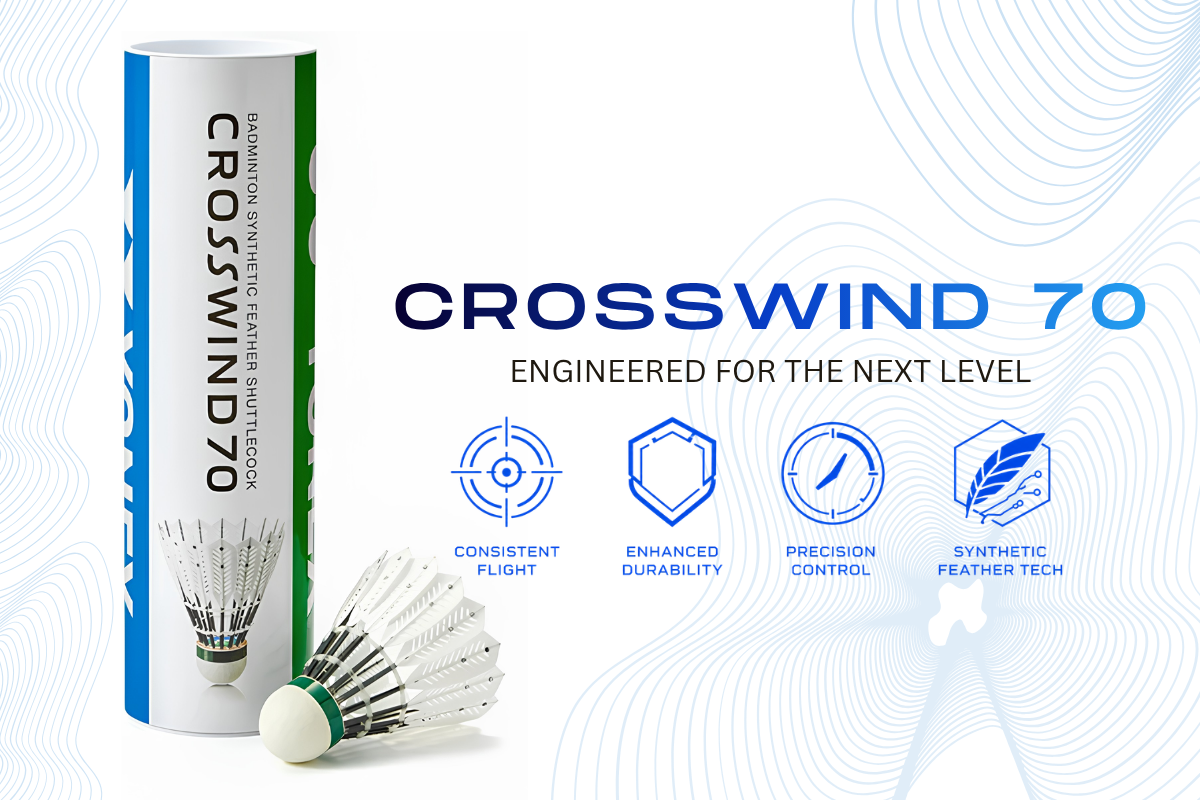
Why Are Natural Feather Shuttlecocks So Difficult to Replace?
Natural feather shuttlecocks offer a combination of characteristics that is difficult to reproduce with synthetic materials.
During flight, the shuttle must remain stable while responding naturally to very different badminton strokes—from delicate net shots and drops to powerful clears and full smashes.
Natural feathers provide an effective combination of low weight, flexibility, aerodynamic stability and controlled deceleration. This contributes to the familiar flight behaviour experienced by players using quality feather shuttlecocks.
The Major Limitation of Feather Shuttlecocks: Durability
Despite their playing characteristics, natural feather shuttlecocks are delicate. Individual feathers can bend, split or break after repeated high-impact rallies.
This is particularly important for badminton academies, clubs and regular players, where a large number of shuttlecocks can be consumed during training sessions.
At the same time, natural feather shuttlecock production depends on a supply of suitable goose or duck feathers. As global participation in badminton grows, manufacturers continue to explore alternative materials and technologies that can reduce dependence on natural feathers while maintaining acceptable playing performance.
A successful alternative cannot focus only on durability. To satisfy badminton players, it also needs convincing flight stability, speed behaviour, control and hitting feel.
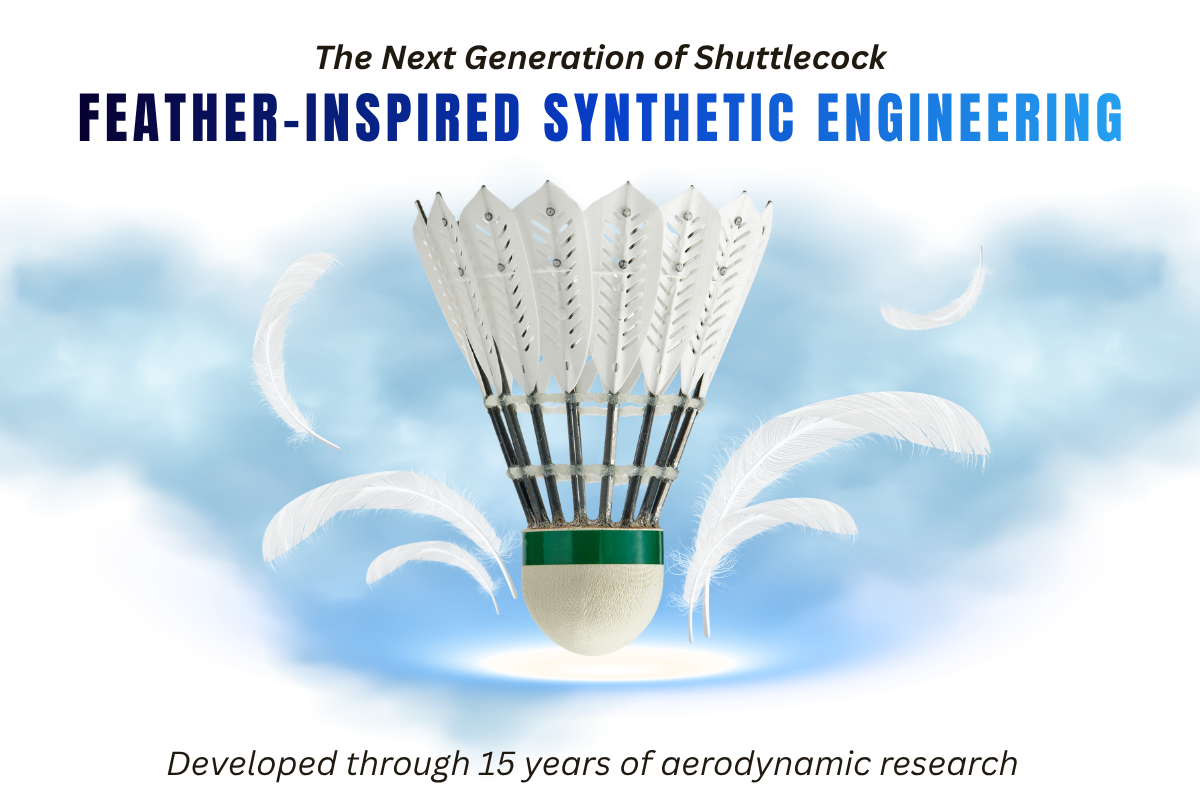
Why Synthetic Feather Shuttlecocks Matter for the Future of Badminton
Conventional synthetic shuttlecocks already provide durability advantages for recreational play and training. The bigger technological challenge is developing a synthetic design that behaves more like a natural feather shuttle during actual badminton play.
This is where synthetic feather shuttlecock technology becomes particularly interesting.
Instead of relying on a traditional one-piece synthetic skirt, engineers can study the structure and aerodynamic behaviour of individual natural feathers and use those principles to develop a more feather-like synthetic construction.
The more important question is whether modern material engineering can combine the durability advantages of synthetic materials with more of the flight behaviour players expect from a feather shuttlecock.
What Is New in the Yonex CROSSWIND 70?
According to the product information used for this article, Yonex CROSSWIND 70 follows nearly 15 years of research and development into shuttlecock structure, materials and flight behaviour.
During development, the structure and behaviour of natural feathers were studied to understand why they provide such an effective combination of lightness, flexibility, strength and aerodynamic stability.
Rather than attempting to make a visually identical copy of a natural feather, the CROSSWIND 70 applies those observations through engineered synthetic materials.
How Is the Yonex CROSSWIND 70 Constructed?
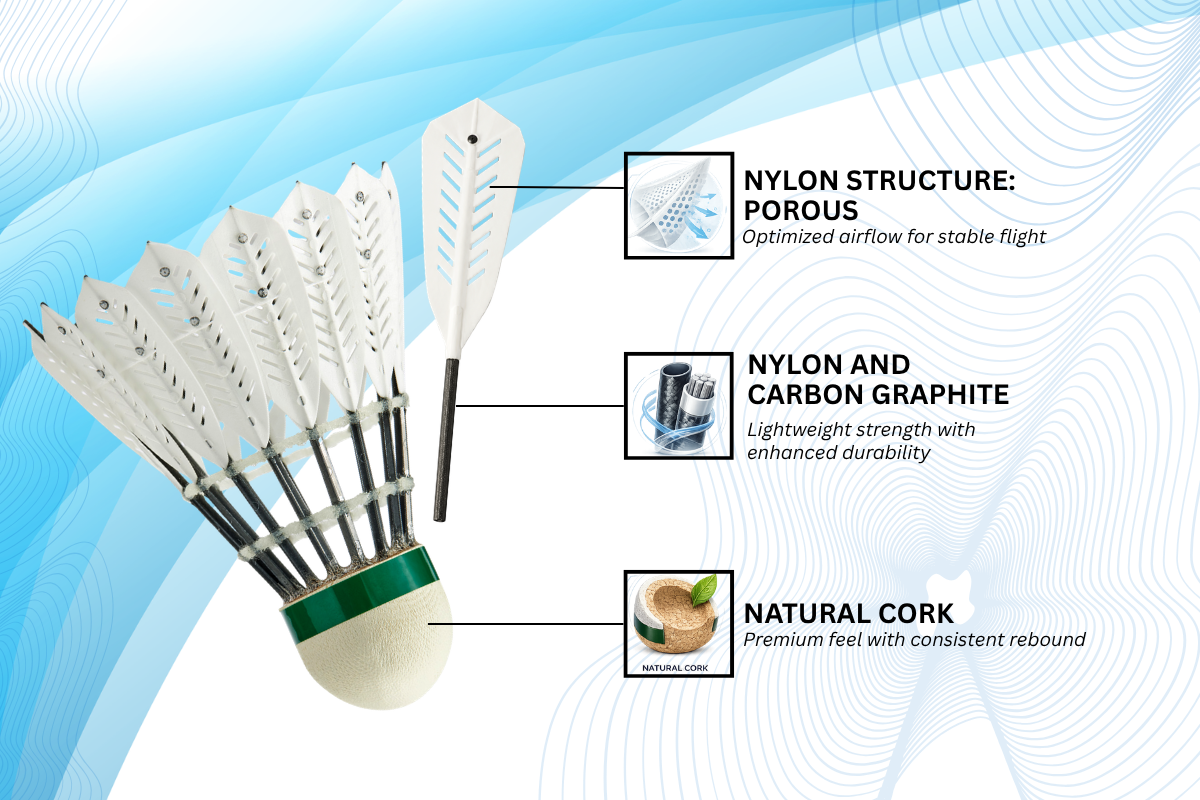
One of the most interesting aspects of CROSSWIND 70 is its engineered synthetic feather construction.
Why Smash Deceleration Is So Important
Shuttlecock performance is not determined simply by how fast it leaves the racket.
A badminton shuttle experiences significant aerodynamic drag after impact. The way it decelerates during flight contributes heavily to how natural and predictable it feels during clears, drops, defensive shots and smashes.
According to the information provided for CROSSWIND 70, one of the important development achievements is smash deceleration behaviour designed to remain very close to that of a natural feather shuttlecock.
A synthetic shuttle that can more closely reproduce feather-like deceleration has the potential to provide more familiar timing, trajectory and shot control than a conventional synthetic shuttle.
Latest Innovations Behind Yonex CROSSWIND 70
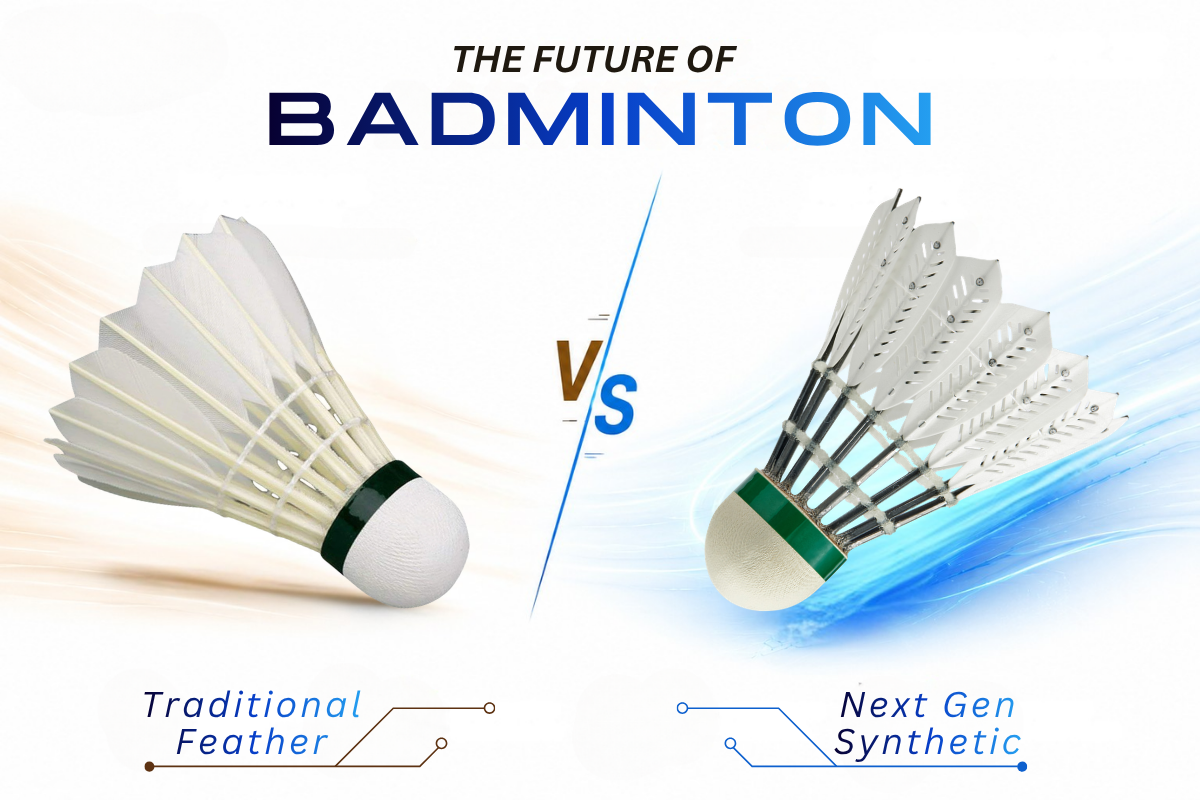
CROSSWIND 70 brings together material engineering and feather-inspired aerodynamics in an attempt to provide a more natural synthetic shuttlecock experience.
Yonex is also researching the future recycling potential of shuttlecock materials, including possibilities for transforming used shuttlecocks into playable products.
That research is significant, but it is important to distinguish future recycling research from an existing closed-loop recycling system. The most immediate innovation of CROSSWIND 70 is its synthetic feather structure and its attempt to combine flight consistency, durability and feather-like playing characteristics.
Natural Feather vs CROSSWIND 70 – Key Differences
Could CROSSWIND 70 Replace Natural Feather Shuttlecocks?
It is too early to conclude that synthetic feather technology will completely replace natural feather shuttlecocks.
Experienced players are highly sensitive to differences in shuttle speed, impact feel, trajectory and deceleration. Natural feather shuttlecocks therefore remain an important benchmark for high-level badminton.
The significance of CROSSWIND 70 is different. It demonstrates how manufacturers can use modern materials and aerodynamic engineering to narrow the performance gap between traditional feather and synthetic shuttlecocks.
CROSSWIND 70 is interesting not because it proves the end of natural feather shuttlecocks, but because it represents another stage in the evolution of synthetic badminton shuttle technology.
Who Should Consider Yonex CROSSWIND 70?
CROSSWIND 70 may be particularly interesting for badminton players, academies and clubs that want to experience a new generation of synthetic feather shuttlecock technology.
Players accustomed to natural feathers may also find it useful to compare the CROSSWIND 70's flight, deceleration, durability and impact response directly with their regular feather shuttlecock.
Final Thoughts on Yonex CROSSWIND 70
The Yonex CROSSWIND 70 represents an interesting development in badminton shuttlecock engineering.
Its porous nylon wing, reinforced nylon and carbon-graphite stem, natural cork base and feather-inspired aerodynamic design show how synthetic shuttle technology is moving beyond the conventional nylon shuttlecock.
Whether synthetic feather shuttlecocks eventually become widely adopted will depend on real-world factors such as playing feel, consistency, durability, availability and player acceptance.
What CROSSWIND 70 demonstrates today is that the gap between natural feather and synthetic shuttlecock design is becoming an increasingly important area of badminton innovation.
Frequently Asked Questions About Yonex CROSSWIND 70
Answers to common questions about the Yonex CROSSWIND 70 synthetic feather shuttlecock, its construction and how it differs from traditional feather shuttles.
Yonex CROSSWIND 70 is a synthetic feather badminton shuttlecock designed using feather-inspired aerodynamic principles. It uses engineered synthetic feather components rather than conventional natural feathers.
It uses synthetic materials including a porous nylon wing, but its construction differs from the familiar one-piece synthetic skirt used by conventional nylon shuttlecocks. It is designed as a synthetic feather shuttlecock.
According to the product information used for this article, the engineered feather includes a porous nylon wing with a nylon and carbon-graphite stem. The shuttlecock also uses a natural cork base.
CROSSWIND 70 is designed to reproduce important characteristics associated with feather shuttle flight, including realistic deceleration. However, individual players may still notice differences in feel, sound, flight and impact response compared with a natural feather shuttlecock.
A shuttlecock slows rapidly after leaving the racket. Its deceleration influences trajectory, timing and how the shuttle behaves during smashes, clears, drops and defensive shots. Reproducing feather-like deceleration is therefore important when designing a synthetic feather shuttle.
Yes. The product information provided for this article states that CROSSWIND 70 uses a natural cork base, helping provide the solid hitting response players expect from a badminton shuttlecock.
Yonex is researching recycling potential and ways in which shuttlecock materials could potentially be reused in future. This should not be interpreted as meaning that every CROSSWIND 70 shuttlecock can currently be returned and recycled through an established closed-loop programme.
It is too early to know. Natural feather shuttlecocks remain an important performance benchmark. Technologies such as CROSSWIND 70 show how synthetic designs may increasingly reproduce some of the flight characteristics associated with natural feathers.


Comment(s)
No comments yet
Be the first to share your thoughts about this article.
Leave a Comment
Your email address will not be displayed publicly.