
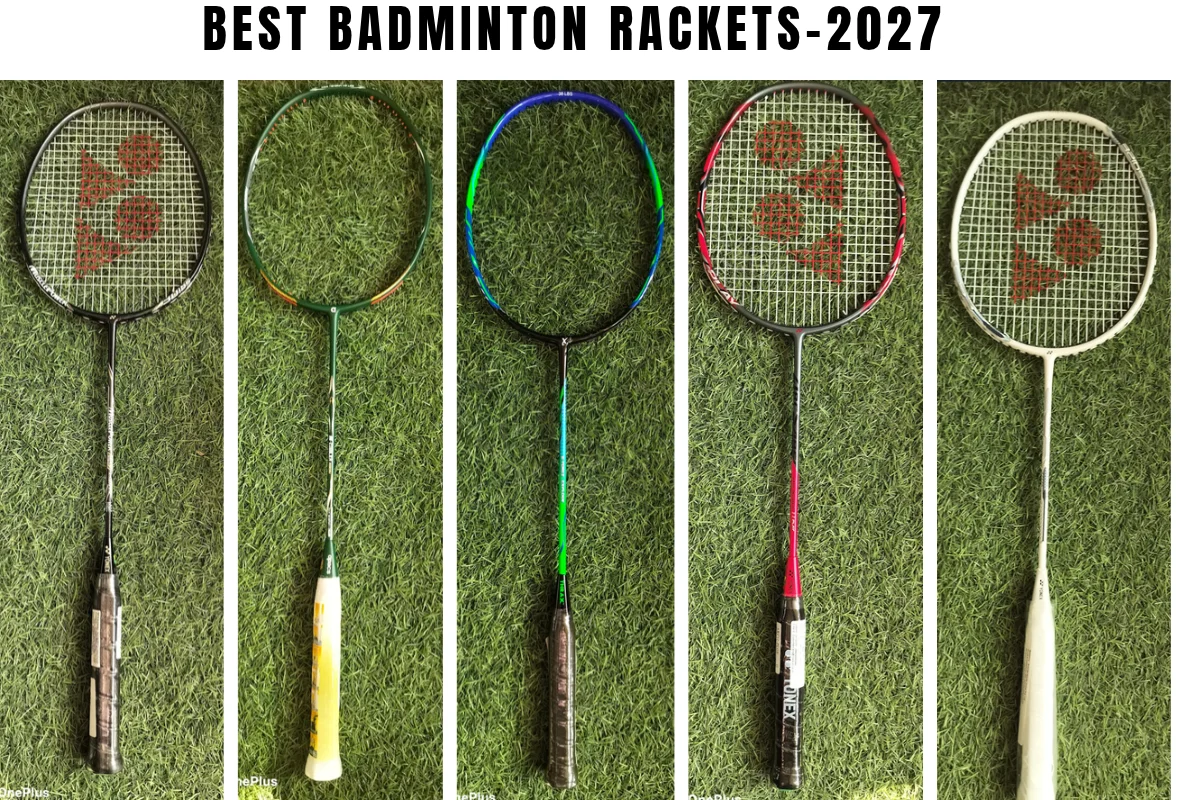

Is ₹3,000 enough for a good badminton racket? For many club and recreational players, yes. You can find rackets that support clean clears, reliable defence and satisfying smashes without paying premium prices. The important part is matching the racket to your game, not buying the one with the biggest tension number.
Why ₹3,000 is a practical badminton racket budget
It is tempting to say this price range covers 80% of players’ requirements. That is a useful way of expressing its broad appeal, but there is no reliable market survey behind an exact 80% figure. What we can say is that many beginners, recreational players and developing intermediates do not need an expensive professional frame. They need dependable handling, sensible stringing and a racket that suits their timing.
Spending more may bring improved materials, consistency or a particular playing feel, but price alone cannot fix footwork, late contact or poor preparation. Browse the wider badminton racket collection to compare options.
Why intermediate players should choose carefully
Beginners often adapt to almost any comfortable racket. Intermediate players have established habits: some defend quickly at the net, others build rallies with placement, and some rely on rear-court attack. At this stage a mismatch becomes noticeable. An overly head-heavy racket may slow recovery; an excessively light one may feel unstable on off-centre contact; an overly stiff shaft may demand timing a player has not yet developed.
Hundred and Thrax are increasingly visible alternatives alongside established names. Their appeal is choice and potentially competitive value—not automatic superiority. Compare exact models, warranty terms, frame weight, balance, grip and available after-sales support before deciding.
Quick comparison: ten rackets to consider
You can also compare the wider ranges from Yonex, Li-Ning, Apacs and Hundred before deciding which frame and string setup suits your game.
| Rank | Racket | Editorial fit | Suggested string | Starting tension |
|---|---|---|---|---|
| 1 | Yonex Arcsaber 11 Play | Control and placement | Yonex BG65 | 21–23 lb |
| 2 | Li-Ning Air Force 78 G3 | Quick handling | Yonex BG65 or Li-Ning No.7 | 20–22 lb |
| 3 | Apacs Z-Ziggler Reborn | Attack-minded rallies | Yonex BG65 or BG80 | 21–23 lb |
| 4 | Yonex Muscle Power 29 Lite | Forgiving all-round play | Yonex BG65 | 20–22 lb |
| 5 | Thrax G Force Explode | Firm, value-focused option | Yonex BG65 or BG80 | 21–24 lb |
| 6 | Yonex Astrox 77 Play | Rear-court attack | Yonex BG65 or BG80 | 21–23 lb |
| 7 | Li-Ning Ignite 8 | Accessible speed | Yonex BG65 | 20–22 lb |
| 8 | Hundred Predator Pro (5U) | Fast 5U handling | Yonex BG65 or Exbolt 65 | 20–22 lb |
| 9 | Yonex Astrox Attack 9 | Developing attack | Yonex BG65 | 20–22 lb |
| 10 | Apacs Finapi 232 Xtra Power | Budget attacking option | Yonex BG65 or BG80 | 21–23 lb |
Suggested tensions are coaching-style starting ranges, not manufacturer-approved limits. Never exceed the limit printed on the exact racket; choose a lower tension if your technique or arm comfort calls for it. Prices and 2027 availability must be checked before publication.
Power, swing speed and repulsion: comparison graph
These 1–10 scores are illustrative editorial estimates based on the intended playing style of each model. They are not measured shuttle speeds, laboratory repulsion tests or verified manufacturer ratings. String, tension, technique and individual sample variation can change the outcome. Use them to understand trade-offs, not to declare a technical winner.
Power — editorial profile
Swing speed — editorial profile
Repulsion feel — editorial profile
Why these three qualities matter
Power: more than a heavy smash
Power is useful for deep clears, attacking lifts and smashes that pressure an opponent. But usable power depends on timing, racket-head acceleration, contact point and string-bed response. A racket that feels powerful in a stationary swing may be less effective when you are late to the shuttle.
Swing speed: the hidden advantage in doubles
Fast handling matters in drive exchanges, net interceptions and defensive blocks. Low mass can help, but balance, air resistance and your own technique matter too. A quick recovery after the first shot is often more valuable than one spectacular smash.
Repulsion: how the string bed returns energy
Repulsion describes the spring-like response players feel at impact. It depends heavily on string material, gauge, tension and contact quality, not only the frame. A thinner string can feel lively but may break sooner; a thicker string such as BG65 prioritises durability. A racket with the wrong string setup can feel disappointing even when the frame suits you.
Individual racket recommendations
1. Yonex Arcsaber 11 Play
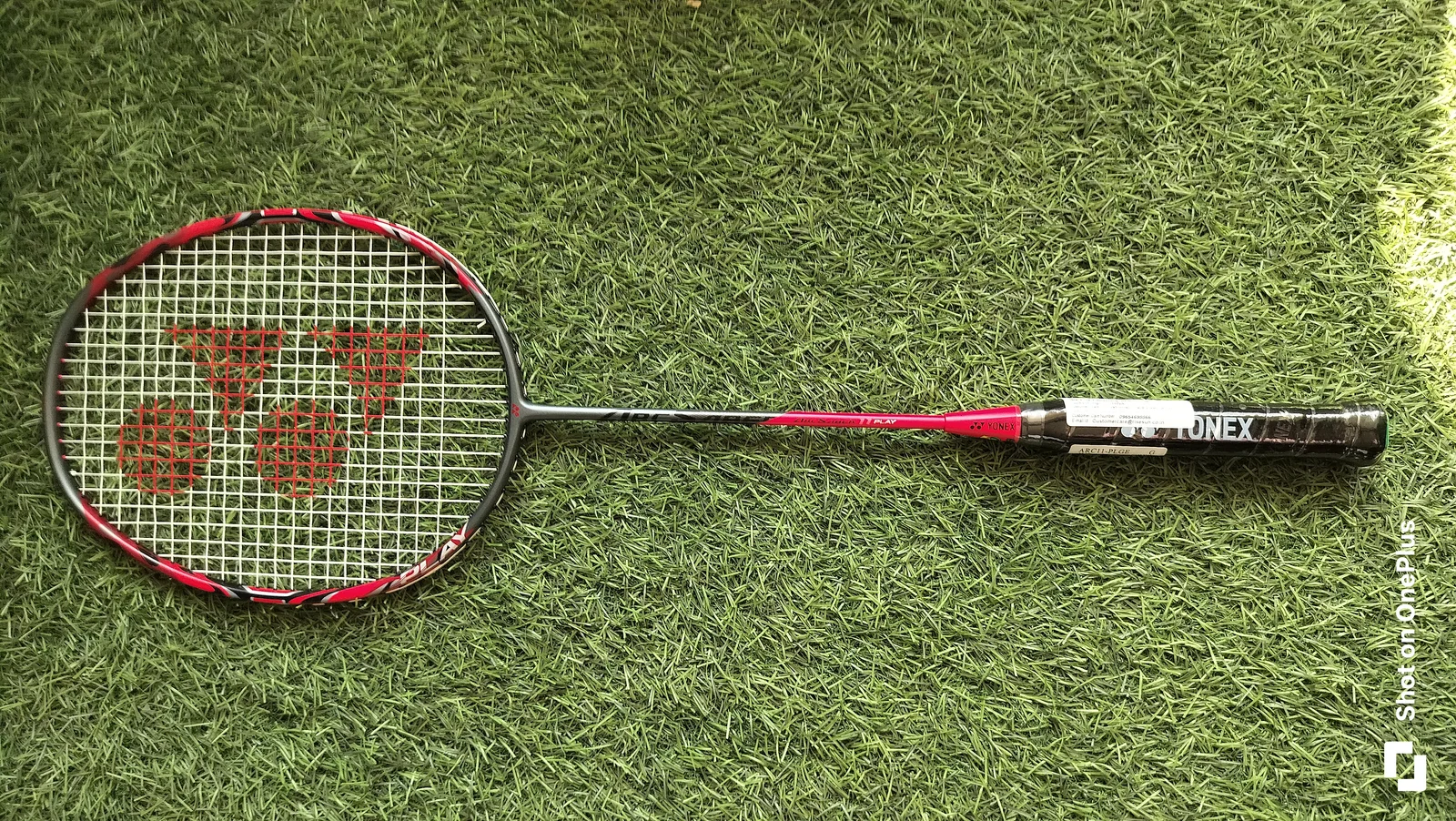
Best suited to: Control and placement. Even-balanced control-oriented design; helps players prioritise direction and rally construction.
Suggested string: Yonex BG65. Suggested starting tension: 21–23 lb, subject to the exact frame limit and the player’s comfort.
What to consider: Do not judge this racket by a single power score. Check its actual weight, balance, grip and whether it is sold strung or unstrung. A controlled trial with your preferred shuttle is more informative than marketing claims alone.
2. Li-Ning Air Force 78 G3
Best suited to: Quick handling. Lightweight-oriented choice for fast interceptions and rapid recovery.
Suggested string: Yonex BG65 or Li-Ning No.7. Suggested starting tension: 20–22 lb, subject to the exact frame limit and the player’s comfort.
What to consider: Do not judge this racket by a single power score. Check its actual weight, balance, grip and whether it is sold strung or unstrung. A controlled trial with your preferred shuttle is more informative than marketing claims alone.
View racket on Khelmart (The product page identifies the G3 model, although its URL contains G2. Current listed price is ₹3,049, slightly above this guide’s budget.)
3. Apacs Z-Ziggler Reborn
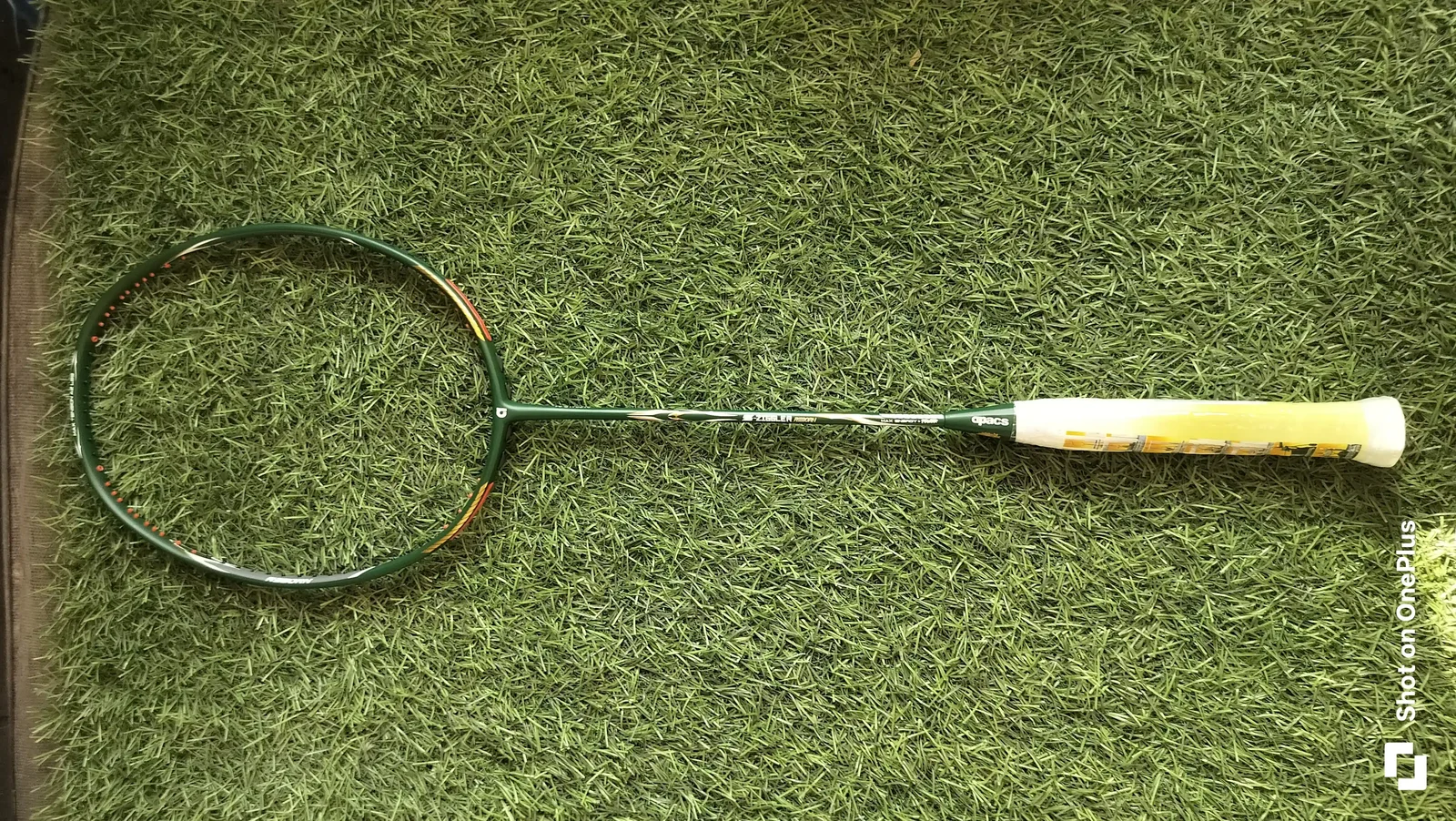
Best suited to: Attack-minded rallies. An attacking-oriented option; assess actual frame specification before choosing a high tension.
Suggested string: Yonex BG65 or BG80. Suggested starting tension: 21–23 lb, subject to the exact frame limit and the player’s comfort.
What to consider: Do not judge this racket by a single power score. Check its actual weight, balance, grip and whether it is sold strung or unstrung. A controlled trial with your preferred shuttle is more informative than marketing claims alone.
4. Yonex Muscle Power 29 Lite
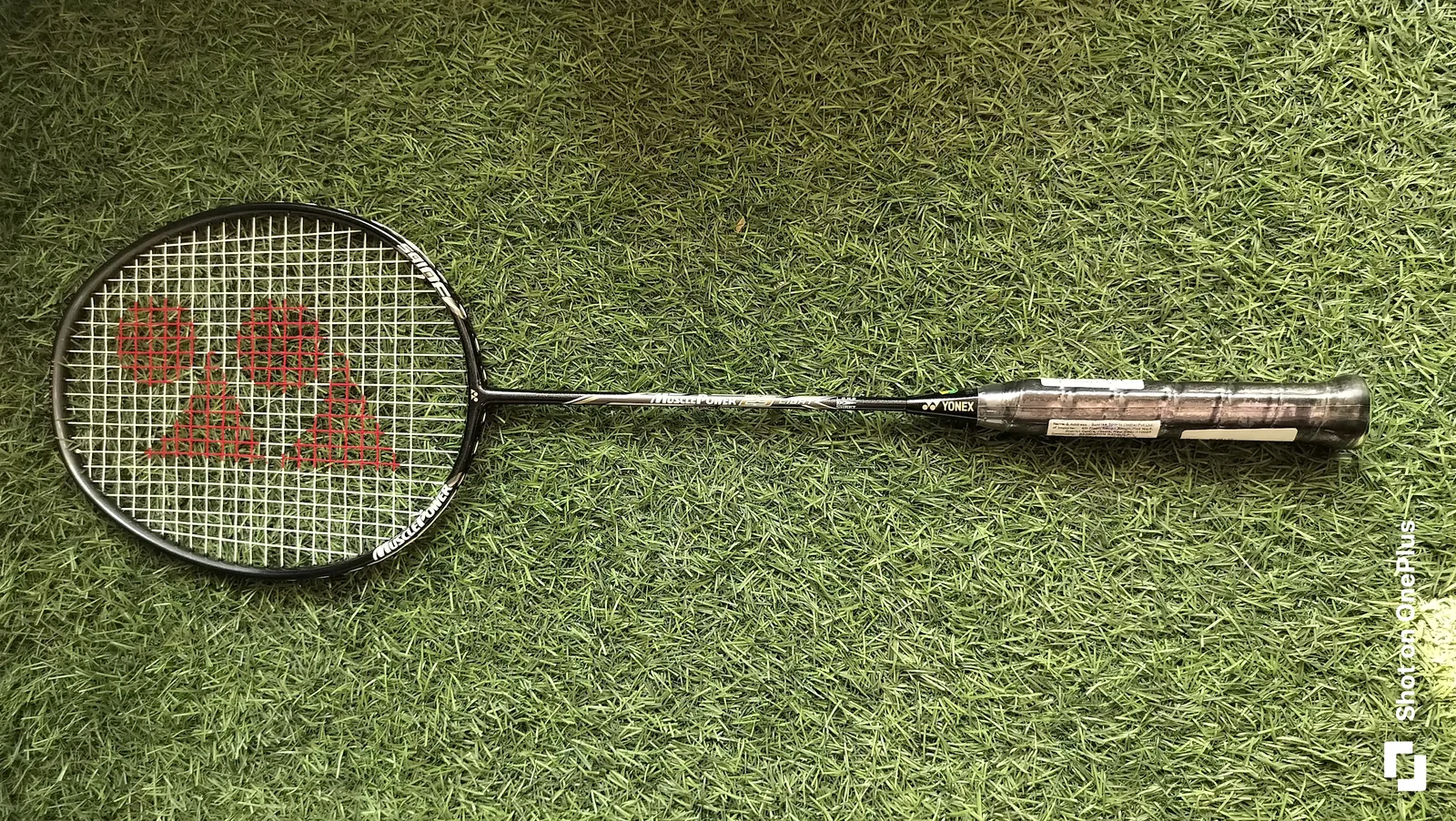
Best suited to: Forgiving all-round play. Practical transition racket for developing technique and reliable length.
Suggested string: Yonex BG65. Suggested starting tension: 20–22 lb, subject to the exact frame limit and the player’s comfort.
What to consider: Do not judge this racket by a single power score. Check its actual weight, balance, grip and whether it is sold strung or unstrung. A controlled trial with your preferred shuttle is more informative than marketing claims alone.
5. Thrax G Force Explode
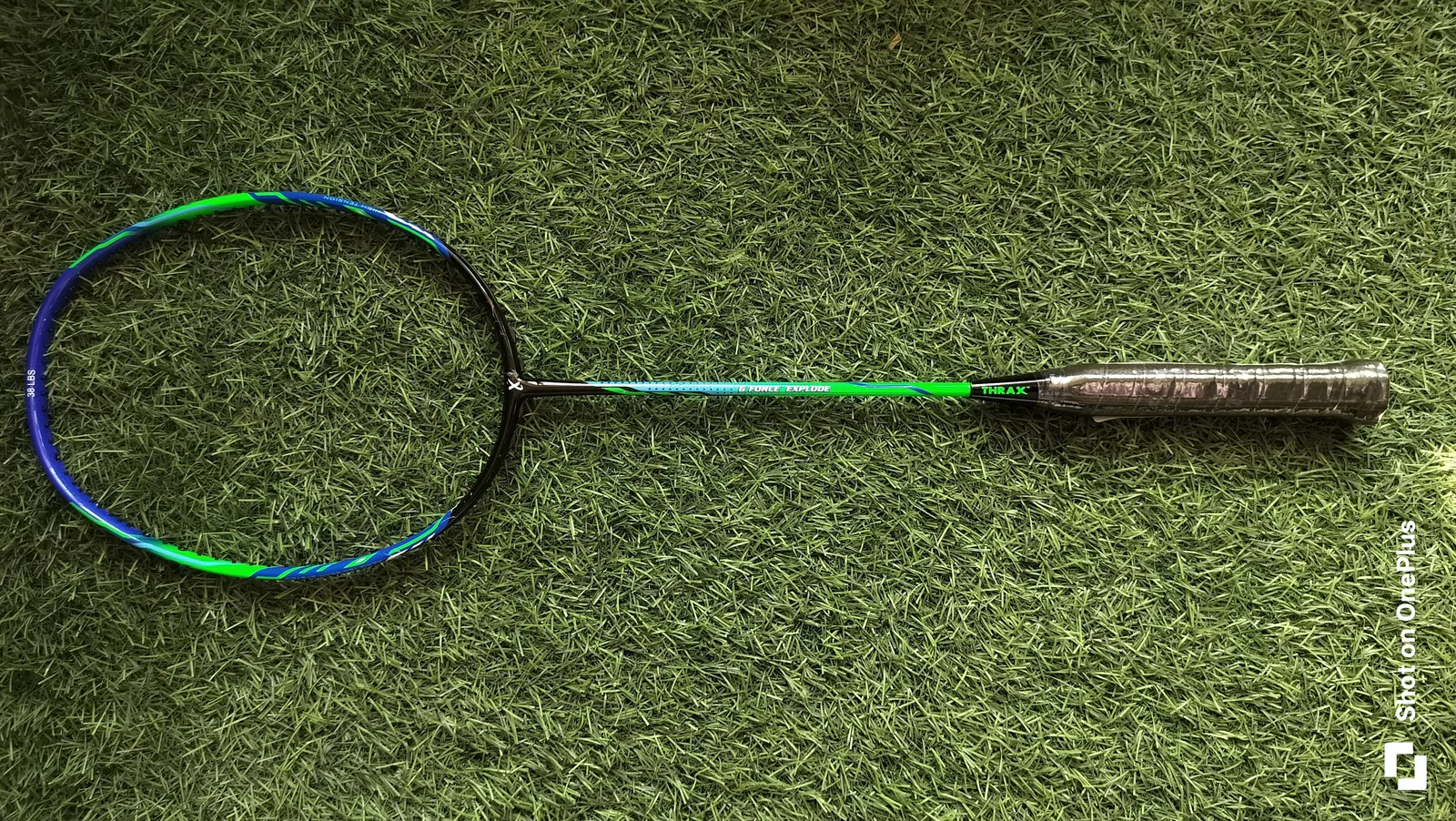
Best suited to: Firm, value-focused option. 84 g listing and stated 38 lb maximum are not a recommendation to string that high.
Suggested string: Yonex BG65 or BG80. Suggested starting tension: 21–24 lb, subject to the exact frame limit and the player’s comfort.
What to consider: Do not judge this racket by a single power score. Check its actual weight, balance, grip and whether it is sold strung or unstrung. A controlled trial with your preferred shuttle is more informative than marketing claims alone.
6. Yonex Astrox 77 Play
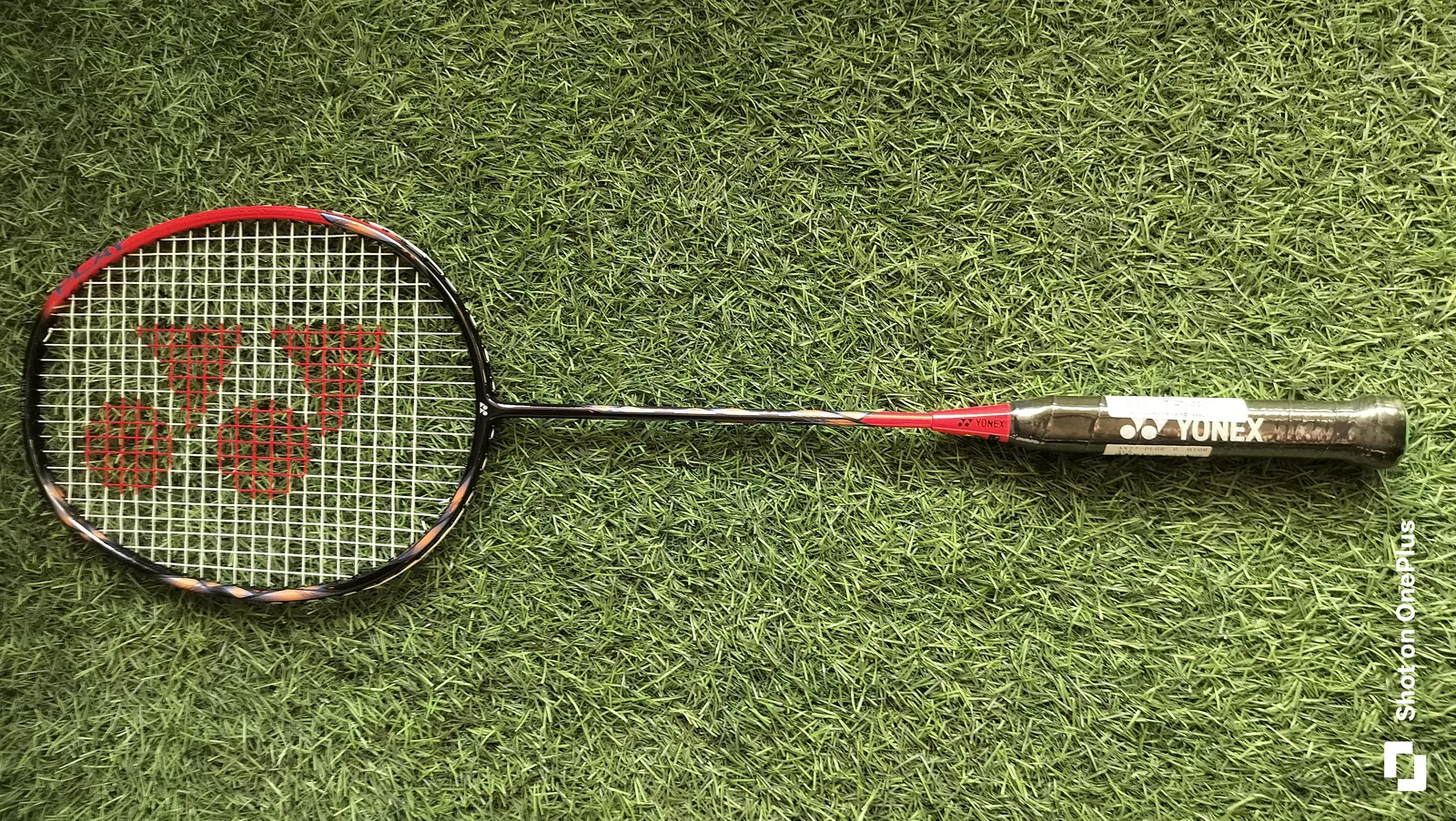
Best suited to: Rear-court attack. Astrox family positioning favours attacking intent; suitable for players who can accelerate the head.
Suggested string: Yonex BG65 or BG80. Suggested starting tension: 21–23 lb, subject to the exact frame limit and the player’s comfort.
What to consider: Do not judge this racket by a single power score. Check its actual weight, balance, grip and whether it is sold strung or unstrung. A controlled trial with your preferred shuttle is more informative than marketing claims alone.
7. Li-Ning Ignite 8
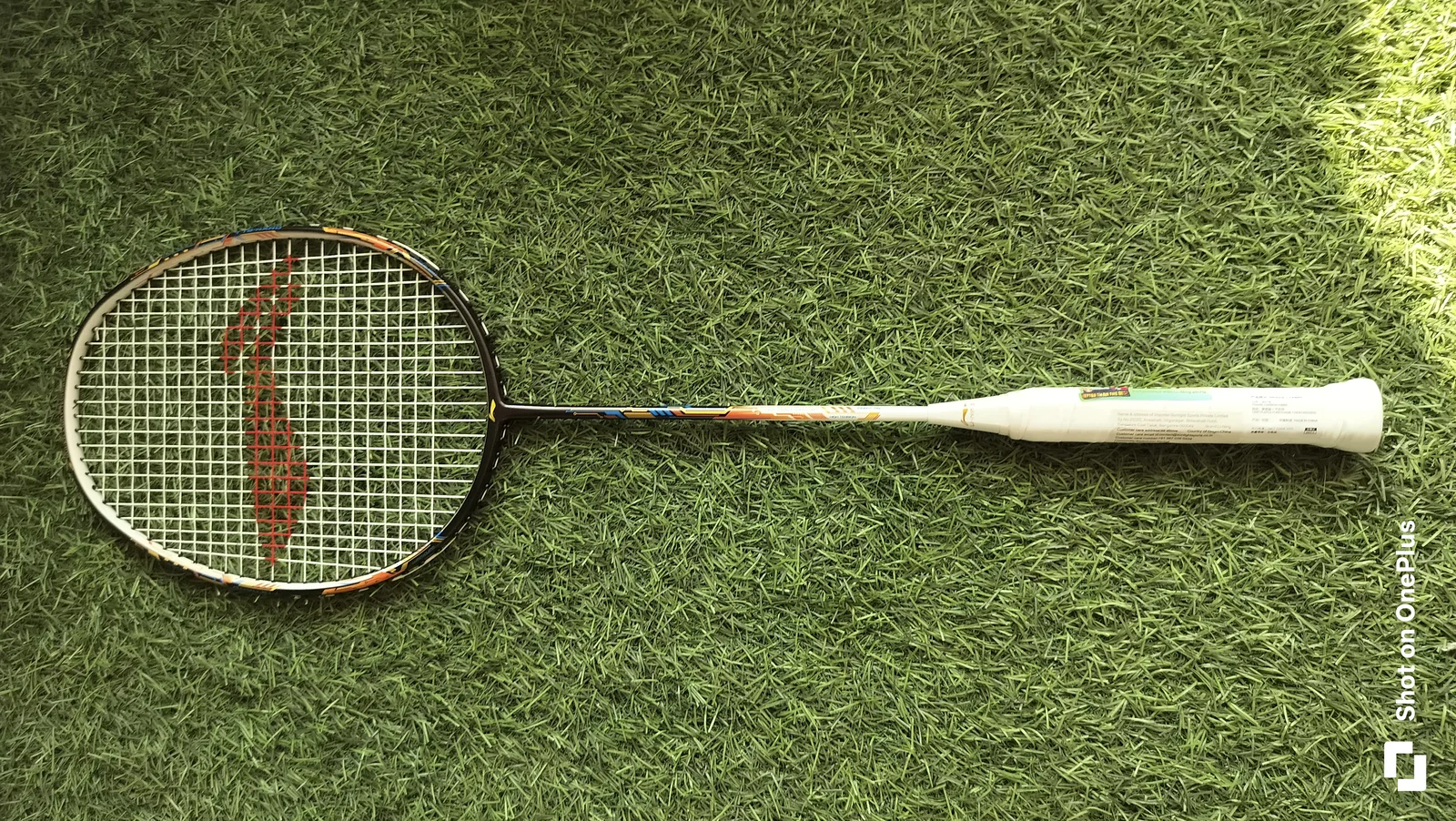
Best suited to: Accessible speed. Potentially useful for intermediate players prioritising quick exchanges; check variant specifications.
Suggested string: Yonex BG65. Suggested starting tension: 20–22 lb, subject to the exact frame limit and the player’s comfort.
What to consider: Do not judge this racket by a single power score. Check its actual weight, balance, grip and whether it is sold strung or unstrung. A controlled trial with your preferred shuttle is more informative than marketing claims alone.
8. Hundred Predator Pro (5U)
Best suited to: Fast 5U handling. A light racket can make quick defence easier, but requires timing for heavy smashes.
Suggested string: Yonex BG65 or Exbolt 65. Suggested starting tension: 20–22 lb, subject to the exact frame limit and the player’s comfort.
What to consider: Do not judge this racket by a single power score. Check its actual weight, balance, grip and whether it is sold strung or unstrung. A controlled trial with your preferred shuttle is more informative than marketing claims alone.
9. Yonex Astrox Attack 9
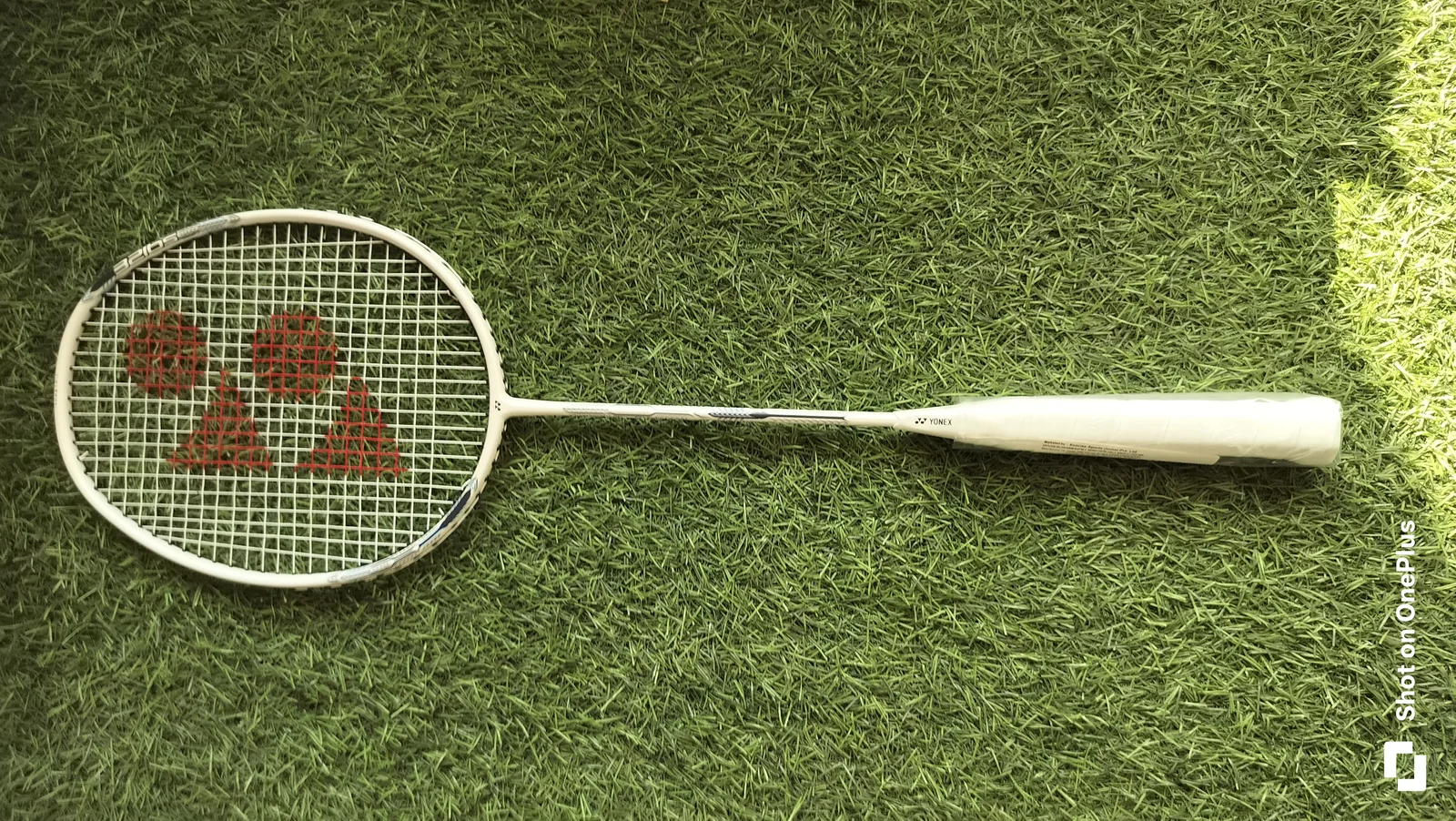
Best suited to: Developing attack. An affordable attacking entry point, especially when technique is still improving.
Suggested string: Yonex BG65. Suggested starting tension: 20–22 lb, subject to the exact frame limit and the player’s comfort.
What to consider: Do not judge this racket by a single power score. Check its actual weight, balance, grip and whether it is sold strung or unstrung. A controlled trial with your preferred shuttle is more informative than marketing claims alone.
10. Apacs Finapi 232 Xtra Power
Best suited to: Budget attacking option. A useful candidate for power seekers; confirm whether the listing is Xtra Power or another Finapi variant.
Suggested string: Yonex BG65 or BG80. Suggested starting tension: 21–23 lb, subject to the exact frame limit and the player’s comfort.
What to consider: Do not judge this racket by a single power score. Check its actual weight, balance, grip and whether it is sold strung or unstrung. A controlled trial with your preferred shuttle is more informative than marketing claims alone.
View this racket on Khelmart (Currently listed as out of stock; check availability.)
How to select strings and tension
For many developing players, a durable 0.70 mm string such as Yonex BG65 is a sensible starting point. Players who prioritise a sharper response can discuss BG80 or a suitable thinner string with an experienced stringer, accepting possible durability trade-offs. Start at a comfortable tension rather than copying professional players. Higher tension generally creates a firmer, less forgiving string bed and requires more consistent contact; it does not automatically create more power.
A 38 lb maximum printed on a frame is a structural specification, not a recommendation for an intermediate player. If you are uncertain, consult a qualified stringer and check the printed manufacturer range before restringing.
Common mistakes when buying under ₹3,000
- Choosing the highest maximum tension instead of the right balance and feel.
- Assuming a lighter racket always produces faster smashes.
- Ignoring whether strings and restringing are included in the price.
- Buying solely from online ratings without checking exact model variants.
- Overlooking court movement and footwear: appropriate badminton shoes can help with grip and stability.
Final recommendation
If you are building rallies around accuracy, start by comparing the Yonex Arcsaber 11 Play. If your main goal is a stronger attacking feel, shortlist the Astrox 77 Play and Apacs attacking models. For a value-focused alternative, investigate the Thrax G Force Explode and compare its actual specifications with your preferred string setup. If you play fast doubles, give extra attention to the lighter Li-Ning and Hundred options. The best racket is the one that lets you play your normal shots consistently.
Ref
- Yonex BG65 official string specification — gauge and durability information.
- Khelmart badminton racket catalogue — model names and changing retail prices.
- Badminton World Federation — badminton governance and sport resources.
Editorial disclosure: model comparisons are qualitative assessments, not claims of hands-on testing. Product prices and manufacturer specifications can change. This guide was prepared ahead of 2027; check live listings before making a purchase.
About Me
Subham Sarkar writes about sports equipment, badminton and practical buying decisions. A sports enthusiast who also enjoys travelling and follows defence-related topics, he focuses on making equipment choices easier to understand without overstating product claims.

Comment(s)
No comments yet
Be the first to share your thoughts about this article.
Leave a Comment
Your email address will not be displayed publicly.