
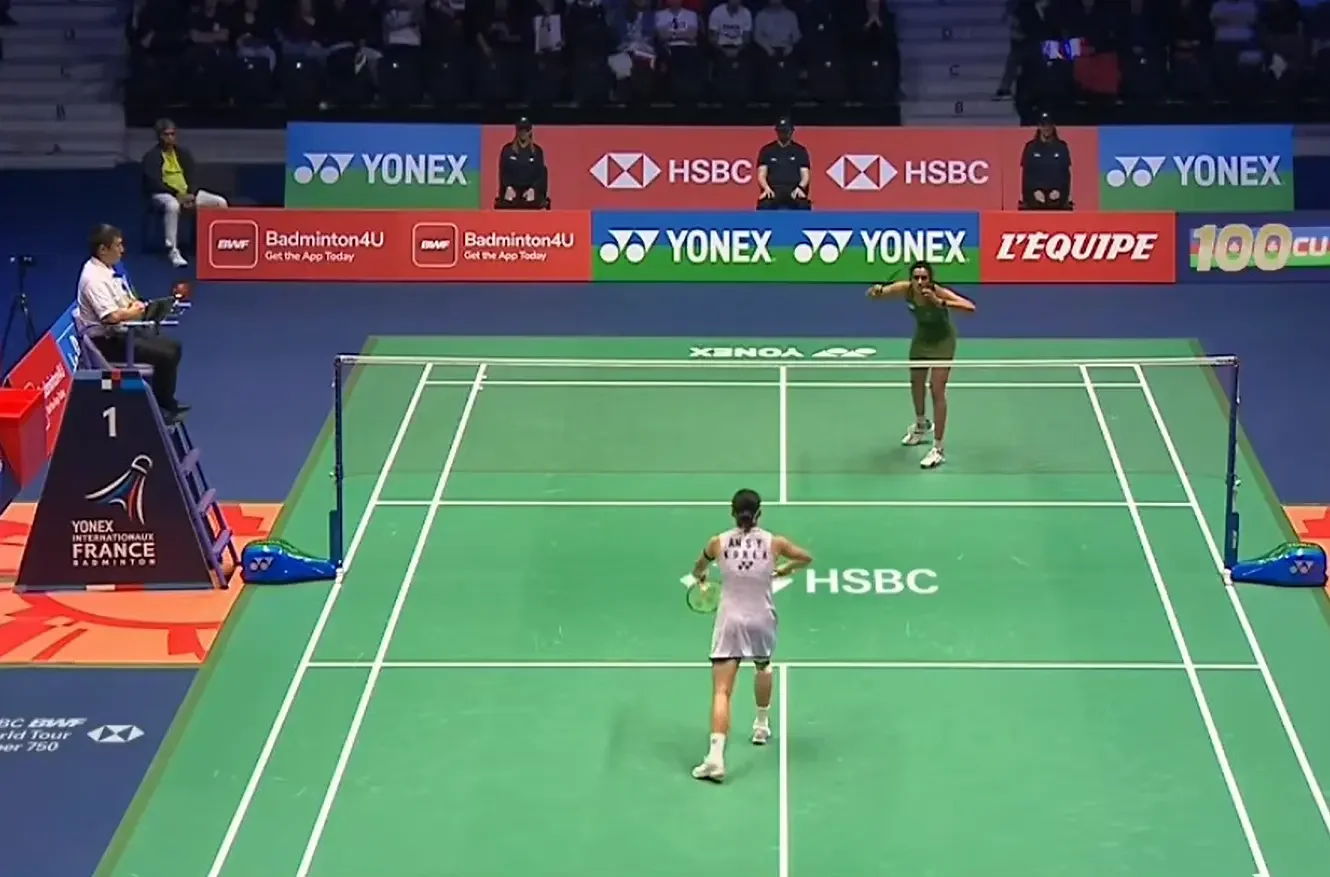
For one game in Paris, PV Sindhu looked capable of doing what she had never done before: beating An Se Young. Her sharp net play, attacking angles and willingness to take the shuttle early helped her win the opening game of the French Open 2026 final. But the world No. 1 adjusted, and Sindhu eventually finished with silver after a 21-16, 11-21, 12-21 defeat.
What made this week interesting was not just the medal. It was the variety of situations Sindhu handled: surviving a tense opening round, controlling her quarterfinal, recovering in a difficult semifinal and challenging the world's best player in the final. Here is how her campaign unfolded—and what the last match tells us about the work ahead.

PV Sindhu's French Open 2026 journey: match-by-match results
| Round | Opponent | Score (Sindhu first) | Result |
|---|---|---|---|
| Round of 32 | Supanida Katethong (Thailand) | 21-14, 8-21, 23-21 | Won |
| Round of 16 | Riko Gunji (Japan) | 21-12, 21-16 | Won |
| Quarterfinal | Chiu Pin-chian (Chinese Taipei) | 21-13, 21-14 | Won |
| Semifinal | Hina Akechi (Japan) | 21-10, 20-22, 21-16 | Won |
| Final | An Se Young (South Korea) | 21-16, 11-21, 12-21 | Lost — silver |
Scorelines are shown from Sindhu's perspective. Sources: Jagran Josh tournament roundup, UNI semifinal report and IANS final report, linked below.
A nervous start: surviving Supanida Katethong
Sindhu opened with a three-game win over Thailand's Supanida Katethong, 21-14, 8-21, 23-21. The second game was a heavy setback, and the decider went beyond the usual 21-point finish. Escaping a match that close matters: a strong tournament sometimes begins with simply finding a way through when the rhythm is missing.
Still, that 8-21 game is a reminder that consistency across games cannot be taken for granted. Against elite opposition, a long spell of lost momentum can be very costly.
Finding control against Riko Gunji
Her next outing was cleaner. Sindhu beat Japan's Riko Gunji 21-12, 21-16 in straight games. Unlike the opener, she did not need a deciding game. That is an encouraging progression, though the score alone cannot tell us precisely which strokes or tactical changes made the difference.
Quarterfinal: a convincing win over Chiu Pin-chian
The quarterfinal was one of Sindhu's most convincing results of the week. She defeated Chinese Taipei's Chiu Pin-chian 21-13, 21-14, allowing only 27 points across two games. The scores suggest that Sindhu maintained control without allowing the match to turn into another long battle.
There is an important distinction here: winning comfortably is not necessarily evidence of a perfect performance. But after her tight opening match, two successive straight-game wins showed that Sindhu could settle into the tournament and produce more consistent results.
Semifinal: Hina Akechi pushed her, but Sindhu responded
Japan's Hina Akechi made the semifinal a proper test. Sindhu raced through the first game 21-10, only for Akechi to edge the second 22-20. The decider was far from straightforward. According to UNI's match report, Akechi briefly led 16-15 before Sindhu won six points in a row to close the match 21-16.
That late sequence was perhaps Sindhu's most reassuring moment of the tournament. After letting a game slip and facing pressure late in the third, she still found the points that mattered. The 73-minute contest also showed how demanding the path to a major final can be.
French Open final: how An Se Young turned the match around
On 25 October at Arena Grand Paris, Sindhu faced South Korea's An Se Young, the world No. 1 and reigning Olympic champion. An arrived with an extraordinary record in 2026. Sindhu, however, was not content to play a passive rallying game.
Game one: Sindhu's aggressive plan worked
The opening game was the best evidence that Sindhu has the tools to trouble An. She attacked the front court, used tight net exchanges and changed direction to make the Korean cover difficult diagonals. By taking the shuttle early and mixing her placements, Sindhu disrupted An's usual rhythm and won 21-16.
For me, this is the most encouraging part of the final. Sindhu did not win that game by simply hitting harder. She created openings through positioning, variety and timing. Those are qualities that can remain useful even when an opponent starts reading the big smash.
Game two: An Se Young found an answer
The response was decisive. An became more alert around the net, countered Sindhu's front-court pressure and began directing more attacks toward her body. Sindhu lost the second game 11-21.
This was not merely a matter of the Korean being quicker. Her tactical adjustment reduced the space and time Sindhu had to execute the same attacking patterns that had worked earlier.
Game three: a competitive beginning, then a shift in momentum
The deciding game was close at 6-6, but An gradually took charge. Her repeated attacking combinations, including body smashes after moving Sindhu out of position, made it harder for the Indian to reset. An took the final game 21-12 and completed the comeback in approximately 61 minutes.
It was Sindhu's 11th defeat in 11 meetings with An. That record is significant, but it should not erase what happened in the first game: Sindhu showed a credible way to put the champion under pressure. The missing piece was sustaining and adapting that approach when An changed hers.
Why did Sindhu lose despite such a strong start?
My assessment: the biggest issue was not a lack of attacking ability. It was the difficulty of maintaining control once An adjusted to the initial game plan. This is an interpretation of the match reports and score progression, not a claim about Sindhu's private training or physical condition.
1. Her plan needed a second version
The first-game net pressure was effective because it created uncertainty. Once An anticipated those exchanges and challenged Sindhu's body and positioning, the same patterns became harder to execute. At this level, a good Plan A is not enough. A player also needs a reliable way to change rally tempo, lift safely when necessary and rebuild an attacking position.
2. Defending body attacks is different from defending wide smashes
Wide smashes demand movement; body smashes can jam the racket arm and make the next shot awkward. An used combinations rather than relying on a single winner. A sensible training priority would be repeated defensive sequences: block, recover, defend the follow-up and turn the rally neutral again.
3. Momentum management remains crucial
Sindhu demonstrated strong composure against Akechi, particularly at the end of the deciding game. The final presented a different challenge: An's adjustment came early enough to dominate two full games. That suggests a need for faster tactical resets during a match, rather than a sweeping conclusion that Sindhu lacks mental strength.
4. We should not confuse a defeat with a fitness diagnosis
The scoreline does not prove Sindhu was tired, injured or physically underprepared. The long semifinal and the demanding tournament schedule are relevant context, but without verified physical data or comments from her team, blaming fitness would be speculation.
What should Sindhu focus on in her upcoming tournaments?
| Priority | Why it matters | Practical match focus |
|---|---|---|
| Mid-match adaptation | Opponents learn successful patterns | Prepare alternative rally patterns before momentum shifts |
| Body-smash defence | Reduces rushed or jammed returns | Defend consecutive attacks and recover position |
| Net-play variety | Her first-game advantage began at the net | Mix tight nets, holds, pushes and safe lifts |
| Transition to attack | Defence alone rarely beats an elite retriever | Turn neutral rallies into early attacking opportunities |
| Consistency across games | One excellent game is not enough in a final | Review point patterns after each interval |
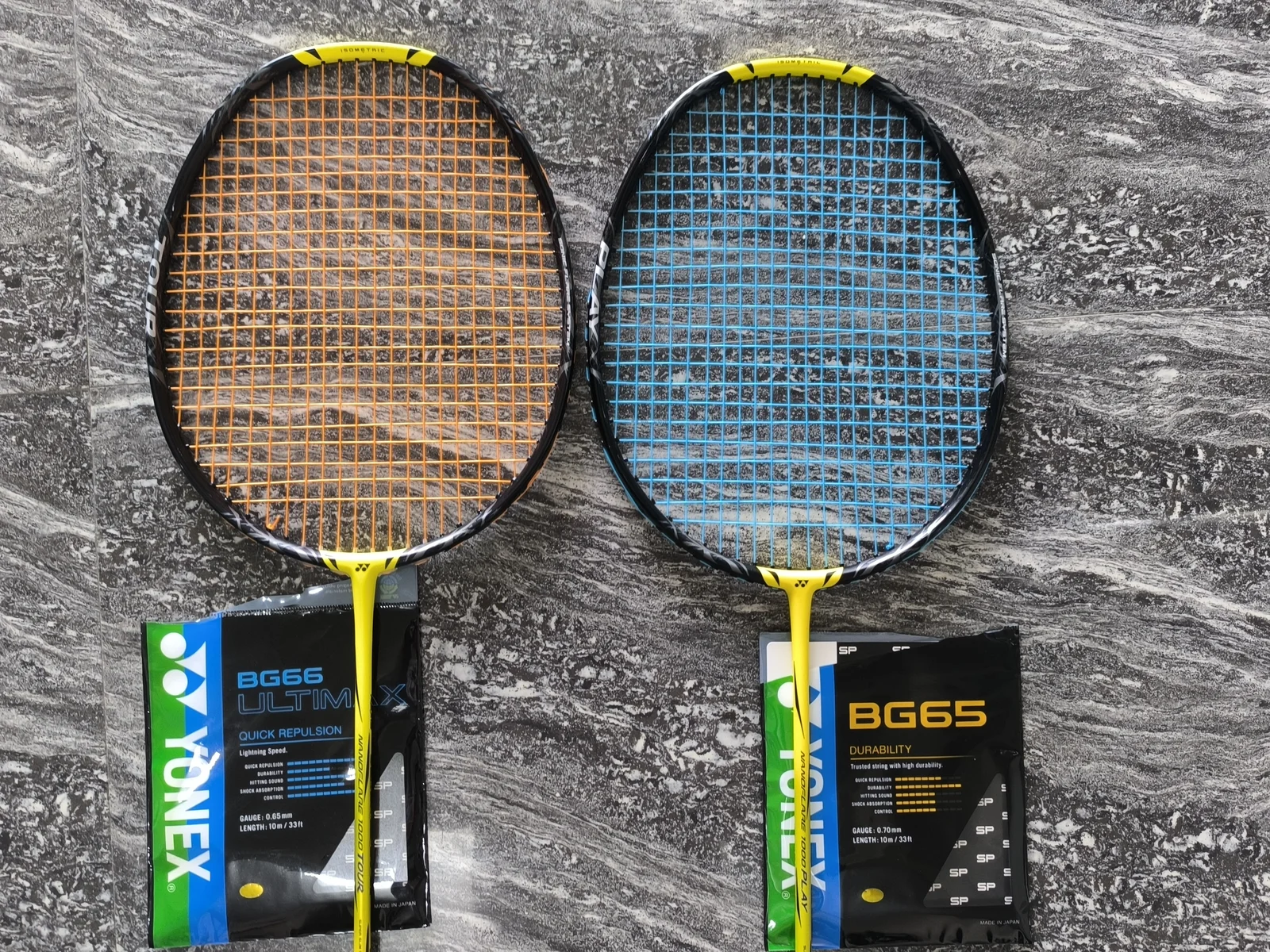
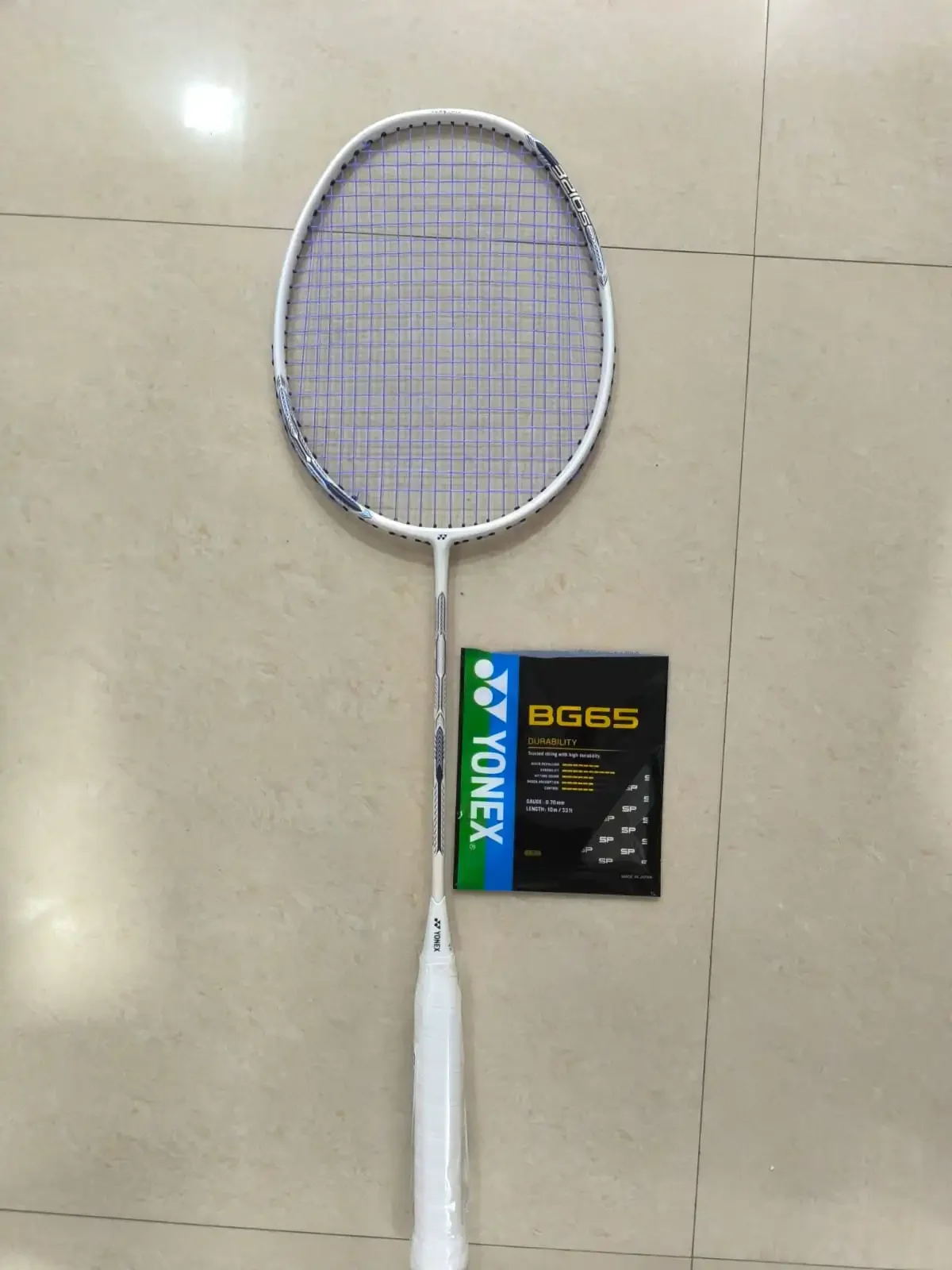
For recreational players, there is a useful lesson here too. A powerful smash does not automatically win a rally. Footwork, court balance and recovering after each shot are just as important. If you are working on your own game, choose a suitable badminton racket for your playing style and supportive badminton shoes for controlled movement. Equipment can support technique, but it cannot replace it.
Is the silver medal a disappointment or a positive sign?
It can be both. Sindhu clearly wanted the French Open title, and losing after winning the first game will hurt. But calling the entire tournament a failure would ignore four victories, a first French Open final and the tactical quality she showed against an exceptional opponent.
It is also important to remember that Sindhu already won the Japan Open Super 750 in July 2026, defeating Akane Yamaguchi in the final. Her French Open silver was not evidence that she cannot win titles. It was evidence that An Se Young remains a particularly difficult matchup.
The next step is not to reinvent everything. It is to keep the aggressive, varied badminton that worked in Paris, while building more dependable responses when the opponent changes tactics. That is where a close contest can become a winning one.
Final thoughts
Silver is not the medal Sindhu came to Paris for. But there is a big difference between losing without answers and losing after showing that a strong tactical plan can unsettle the best player in the world.
The French Open gave Sindhu both encouragement and a clear challenge. Her front-court aggression, shot variation and semifinal resilience deserve credit. The next question is whether she can sustain those strengths across three games against a player who adapts as well as An Se Young. That is the improvement worth watching in her next major tournament.


Comment(s)
No comments yet
Be the first to share your thoughts about this article.
Leave a Comment
Your email address will not be displayed publicly.